
The Best Things to Do in Galle, Sri Lanka (Complete Travel Guide)
Disclaimer: This post may contain affiliate links, which means that if you click on any of those links and make a purchase, I’ll get a small commission, at no cost to you, to help support this website.
Last Updated on June 5, 2026
Planning a trip to Galle? Good call. This UNESCO-listed coastal fort town is one of the most atmospheric stops on any Sri Lanka itinerary — part open-air museum, part foodie hub, part sunset-watching paradise. I visited in January and I’ll tell you exactly what’s worth your time (and what you can skip).
Galle at a Glance
| Best for | History lovers, foodies, architecture nerds, photographers |
| When to go | November to March (dry season) |
| How long to spend | 1 full day minimum; 2 nights if you want to explore beaches |
| Average cost | Budget: ~$30–50/day · Mid-range: ~$80–120/day |
| Getting there | ~2.5–3 hrs from Colombo by train or bus |
| Don’t miss | Fort ramparts at sunset, Kottu Roti at Galle Things Roti, Pedlar Street |
| Skip | The area outside the Fort — not pretty, not worth your time |
Is Galle Worth It?
Absolutely yes — and I say that as someone who’s been to over 30 countries and has a pretty high bar for “worth the detour.” Galle isn’t just a quick photo stop at a pretty lighthouse. It’s one of the rare places that delivers on multiple levels at once: history you can actually feel, food worth planning meals around, architecture that genuinely stops you in your tracks, and a pace that doesn’t feel manufactured for tourists.
It’s compact enough to cover in a day, but interesting enough that two nights flies by. Whether you’re deep into a Sri Lanka itinerary or just swinging through the south, Galle earns its spot every time.
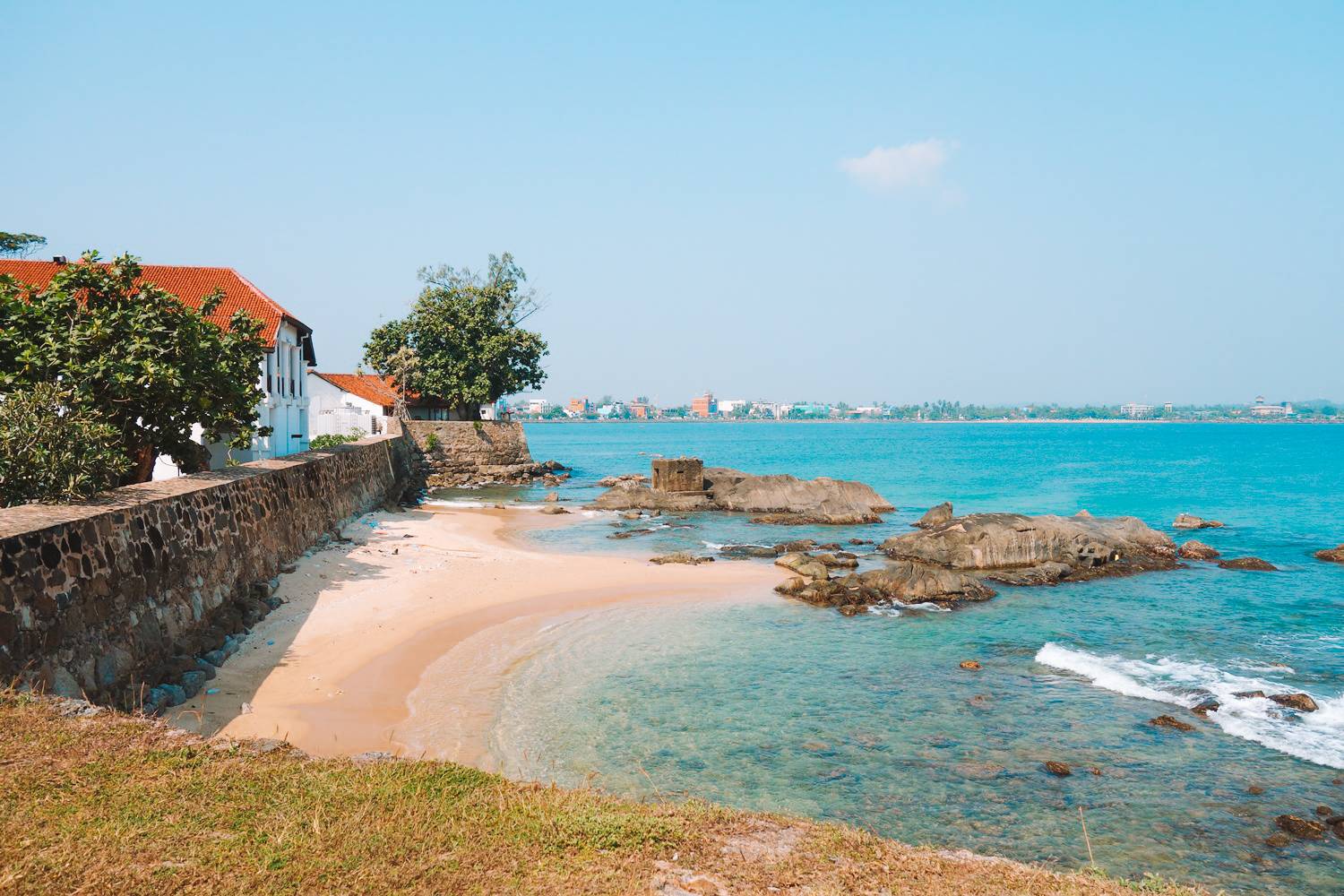
The only caveat: if you’re expecting white-sand beach paradise, Galle Fort itself isn’t that. The beaches are nearby, not at your doorstep. Come for the fort, the food, and the history — then hop in a tuk-tuk to Unawatuna or Jungle Beach for your beach fix.
A Quick History of Galle
Galle was already a busy spice-trading port — known as Gimhathitha (“port near the river Gin”) — long before the Europeans showed up. The Portuguese arrived in 1505 and built the first fortifications. Then the Dutch swooped in in 1640, rebuilt the whole thing into the impressive walled city you see today, and used it as their main spice trading hub for over 150 years. The British took over in 1796, added a lighthouse and a clock tower, then eventually shifted their focus north to Colombo. Galle slowly faded from commercial glory — but that’s exactly what preserved it.
The 2004 tsunami hit hard, killing around a thousand people and destroying many homes. Today, almost all traces of the tragedy have been restored or rebuilt.
The old fort was inscribed as a UNESCO World Heritage Site in 1988. It remains a living fort — people still live, work, and eat inside the walls, which makes it feel more like a real town than a tourist set.
Must-read: Sri Lanka travel guide / best places to visit in Sri Lanka
Getting to Galle
By train: The scenic coastal train from Colombo Fort Station is the classic move — and genuinely beautiful. It takes around 2.5 to 3 hours. Book 1st or 2nd class reserved seats in advance (they sell out fast).
By bus: Air-conditioned express buses run regularly from Colombo via the new Southern Expressway. Journey time is about 2 hours. Cheap and reliable.
By tuk-tuk or private transfer: If you’re coming from the south (Mirissa, Unawatuna, Tangalle), a tuk-tuk is the easiest option. Hiring a private driver is comfortable and flexible if you’re moving between multiple spots.
Pro tip: Stay inside the Fort if your budget allows. Outside the walls, the city is pretty unremarkable.
Best Things to Do in Galle
1. Walk the Fort Ramparts (especially at sunset)
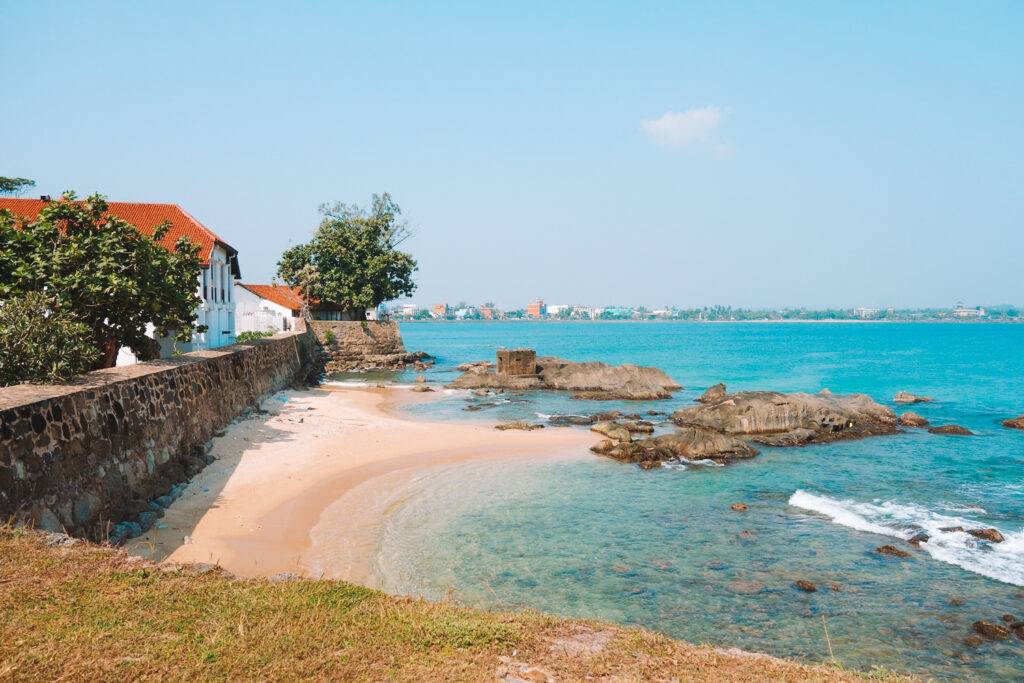
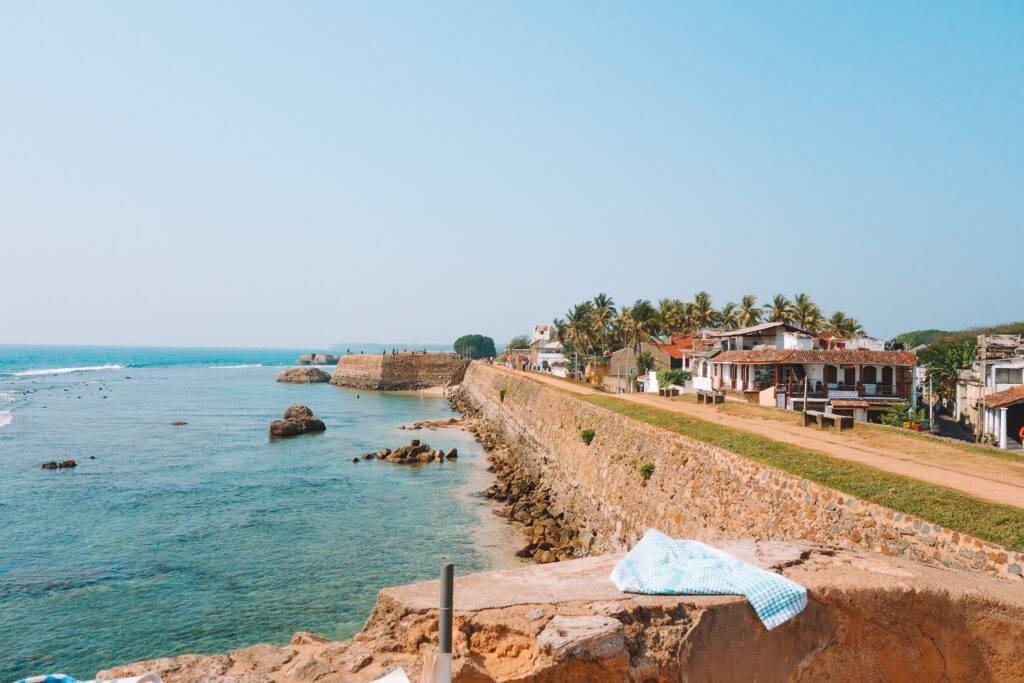
This is non-negotiable. The ramparts stretch about 2km around the perimeter of the Fort, and the walk gives you sweeping views of the Indian Ocean on one side and the rooftops of the old town on the other.
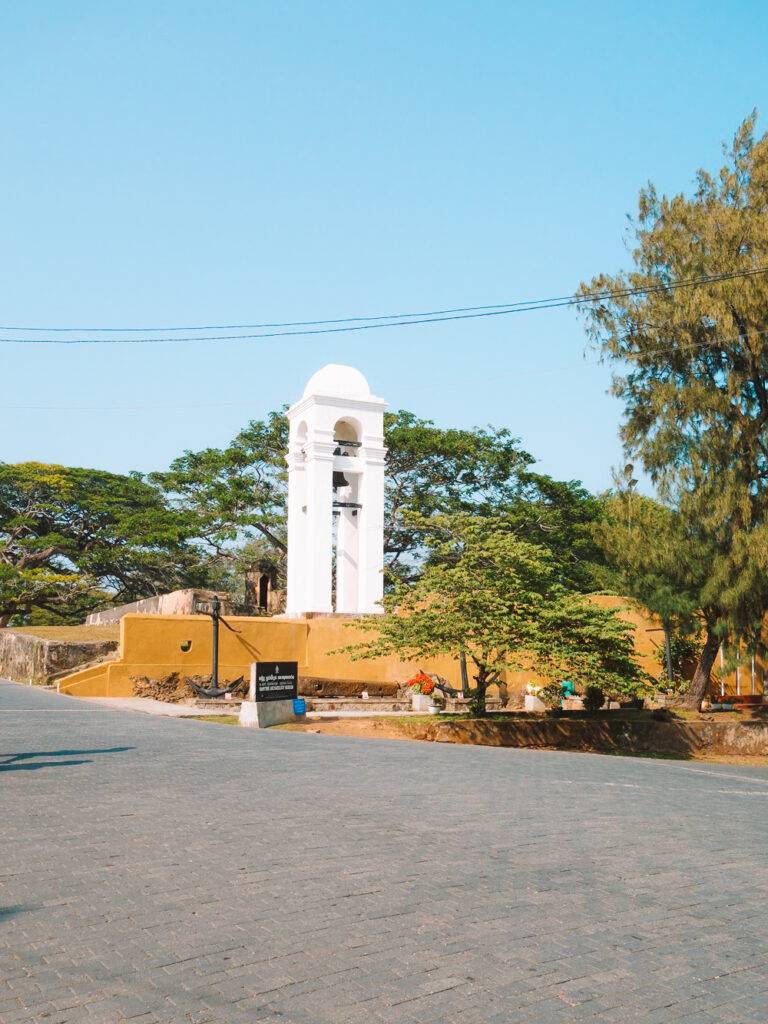
There are 14 bastions in total — Moon, Sun, Star, Utrecht (where the lighthouse is), Flag Rock, and more — each with its own history. The Clock Tower at Moon Bastion was built in 1883 in honor of a local physician. The cannons at Triton Bastion are still in place. Little details like that make the walk feel genuinely interesting, not just scenic.
Do it at sunset. The light hits differently, it’s cooler, and the golden glow on the old Dutch buildings is chef’s kiss. Go early morning if you want the fort to yourself with great photography light.
Practical info: Free to walk. The full circuit takes about 45–60 minutes at a leisurely pace.
2. Explore the Streets Inside the Fort
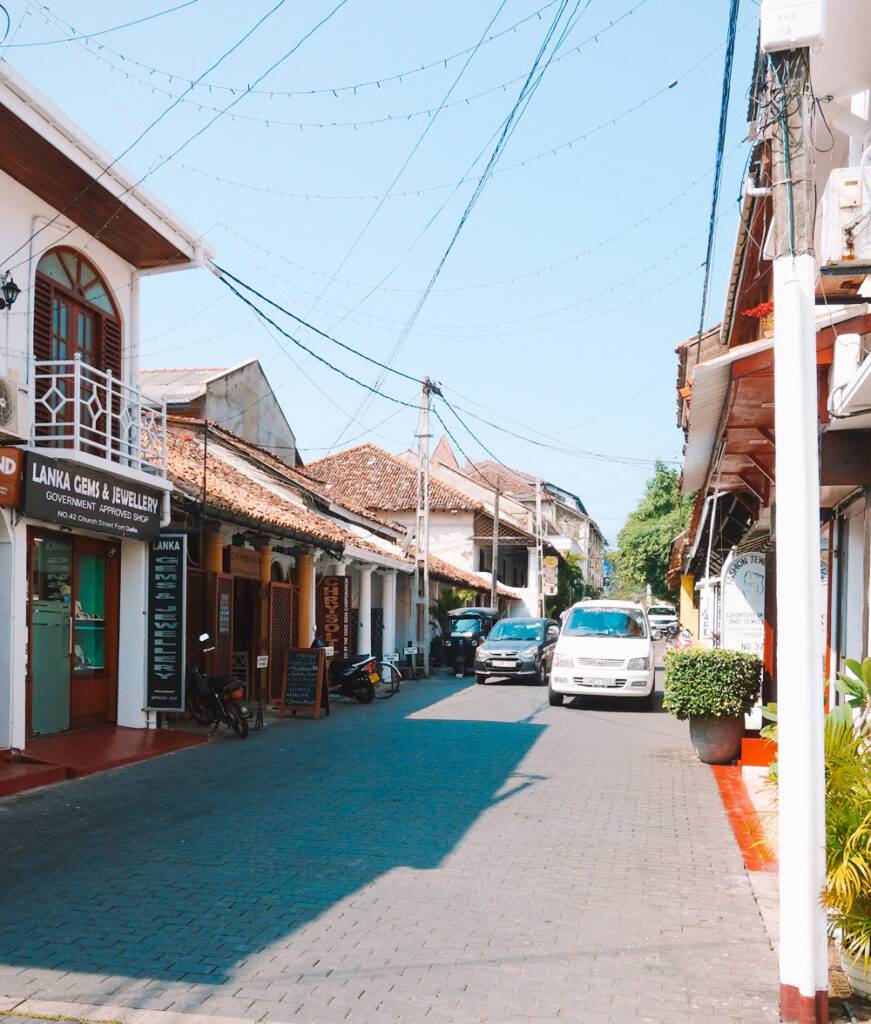
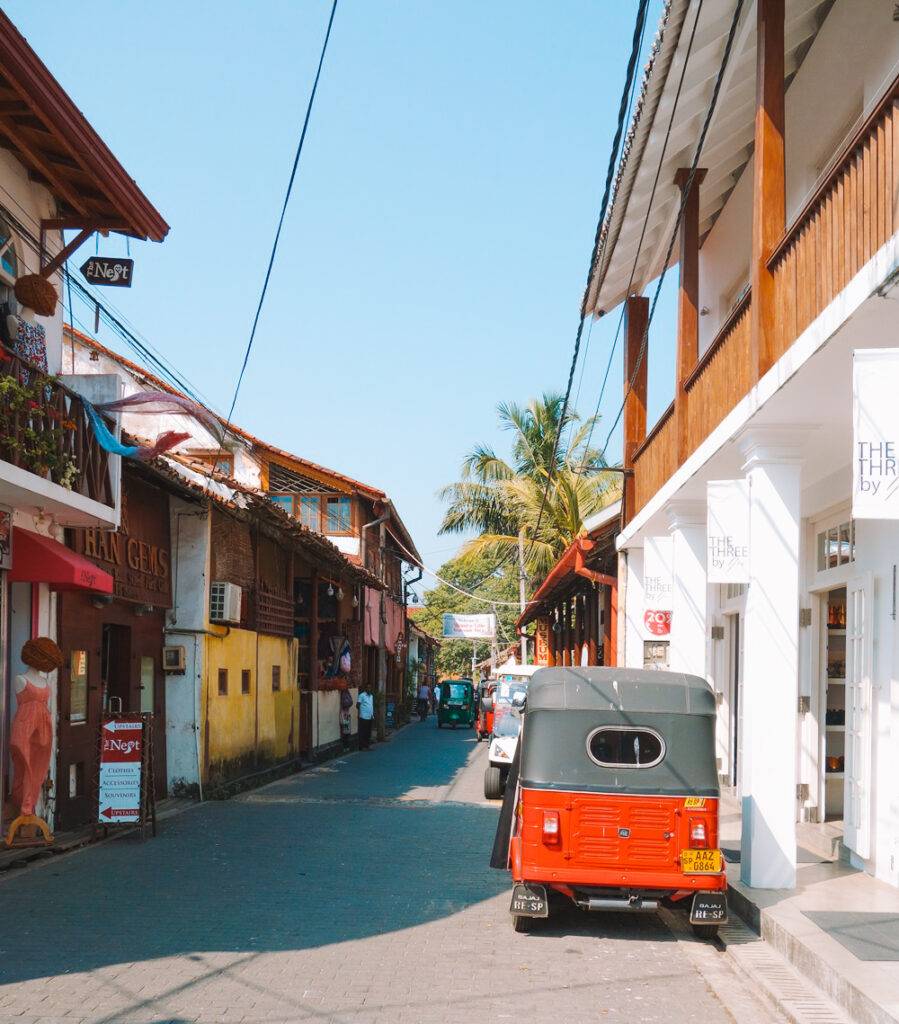
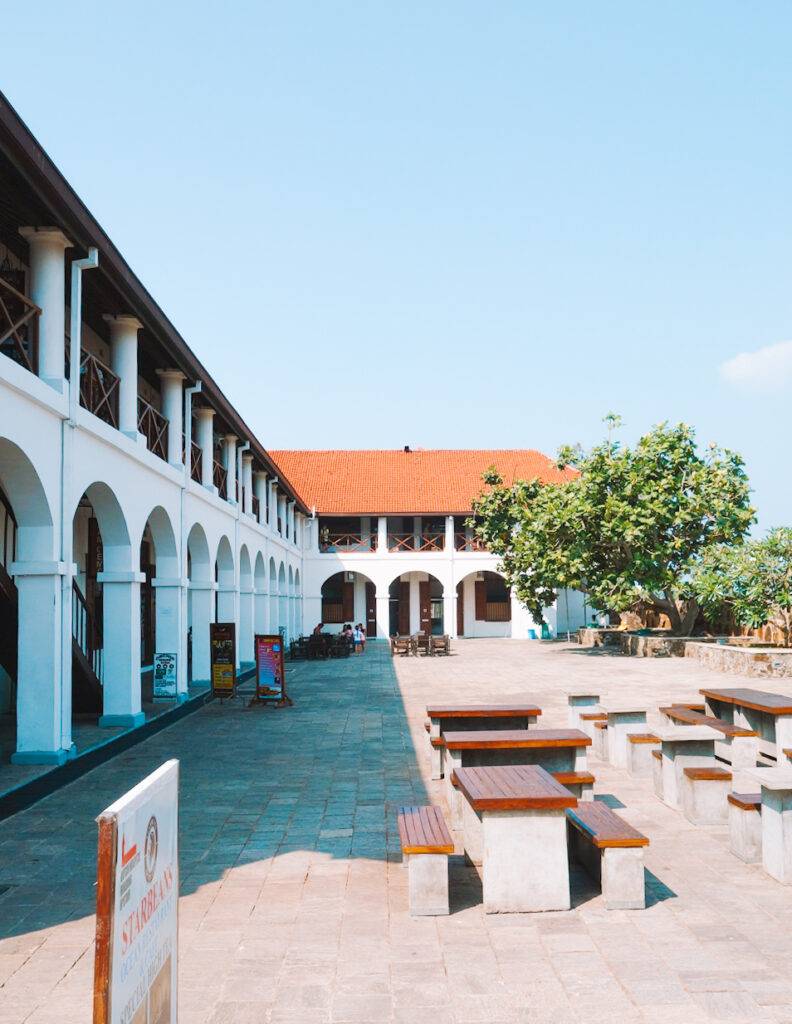
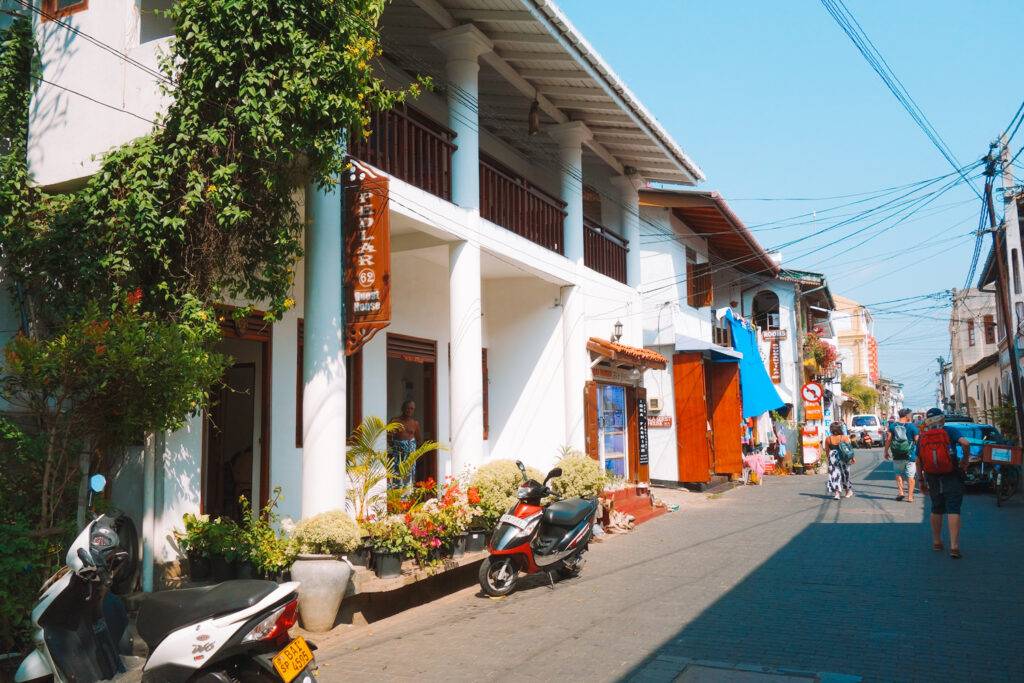
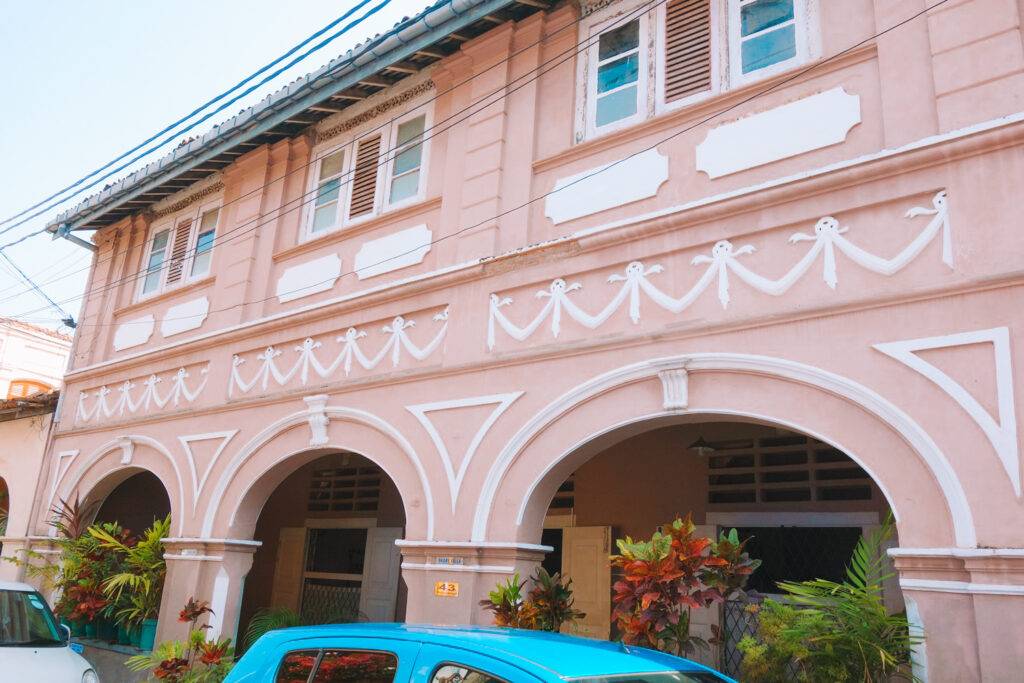
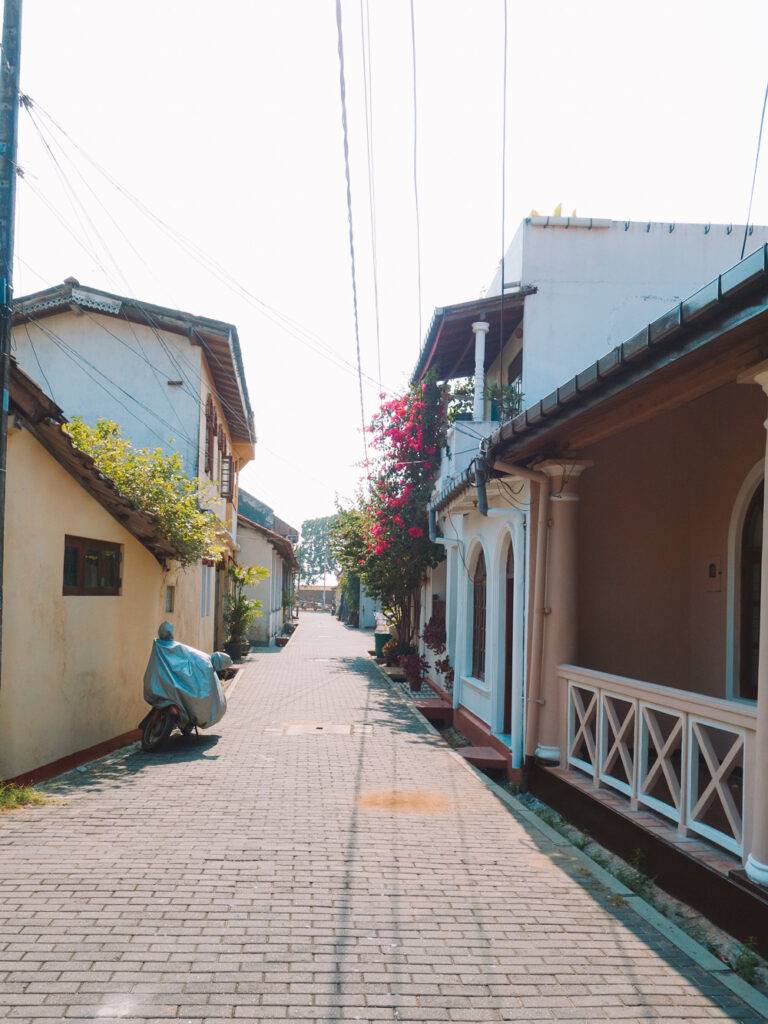
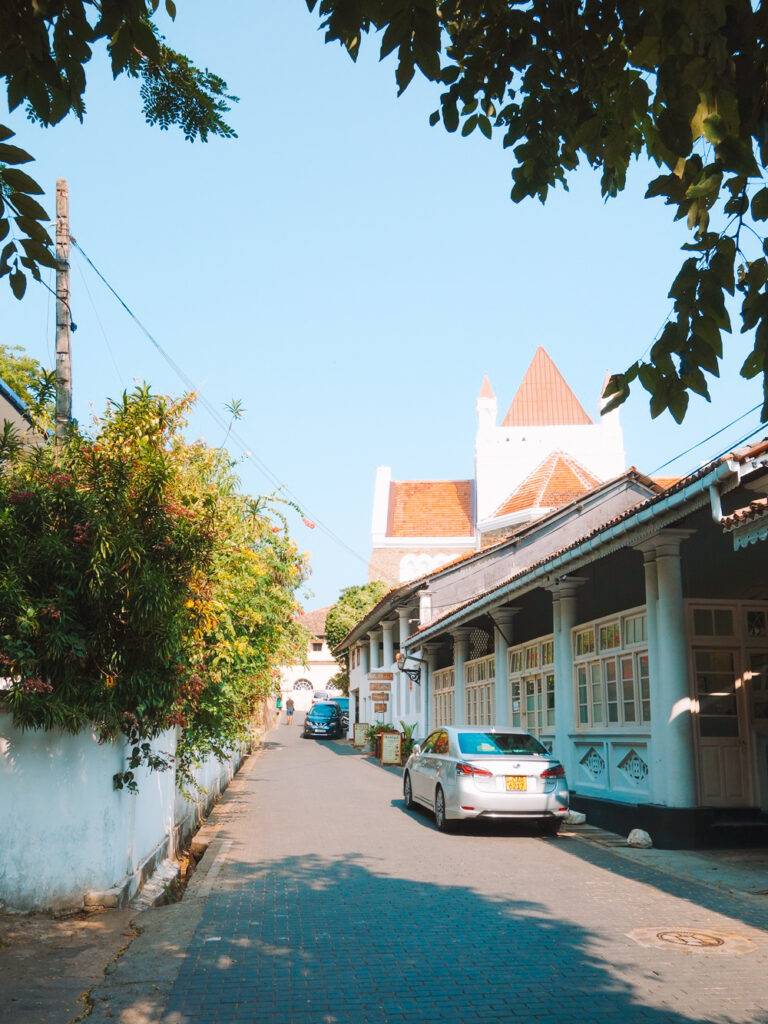
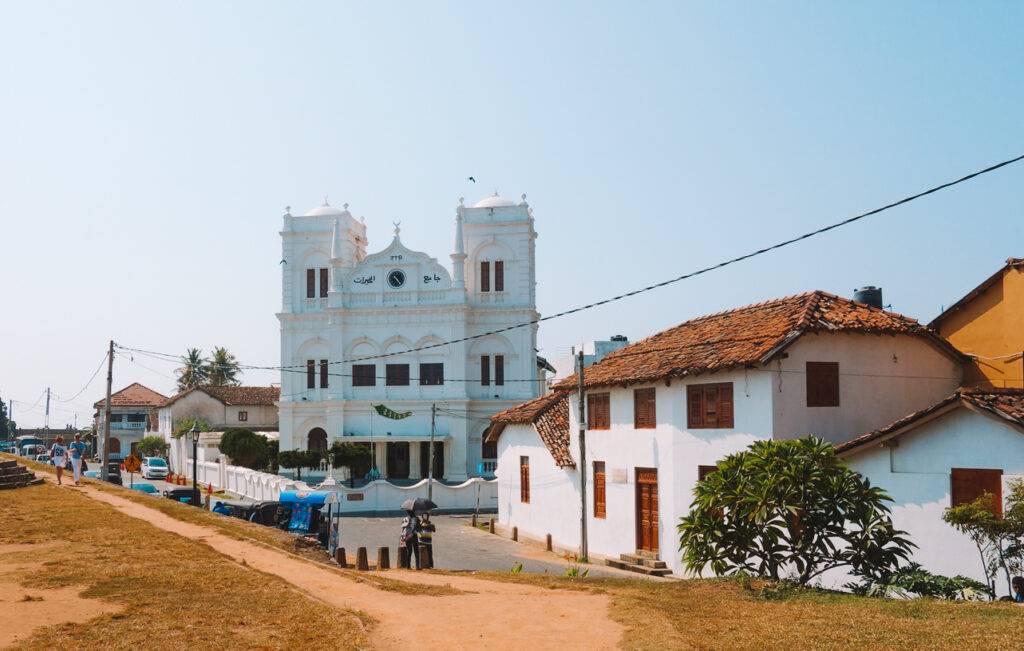
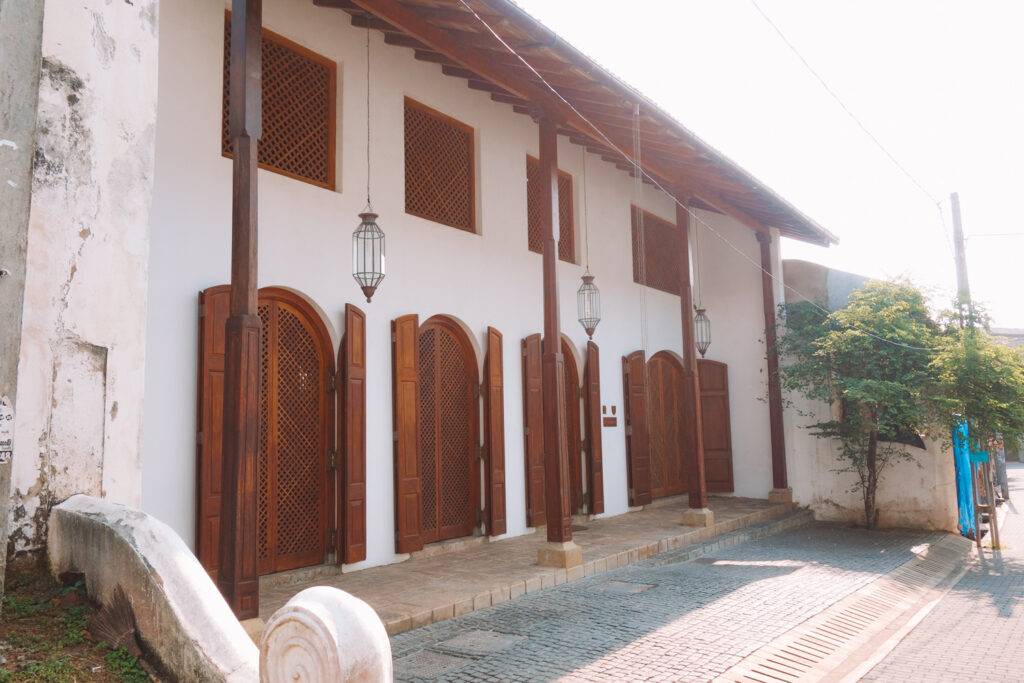
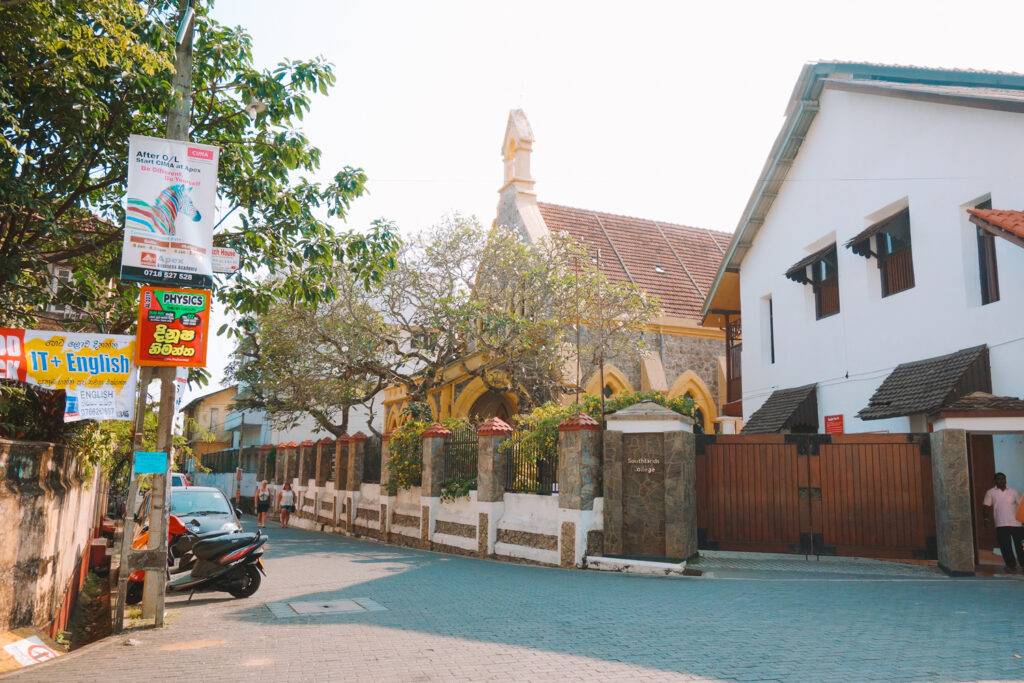
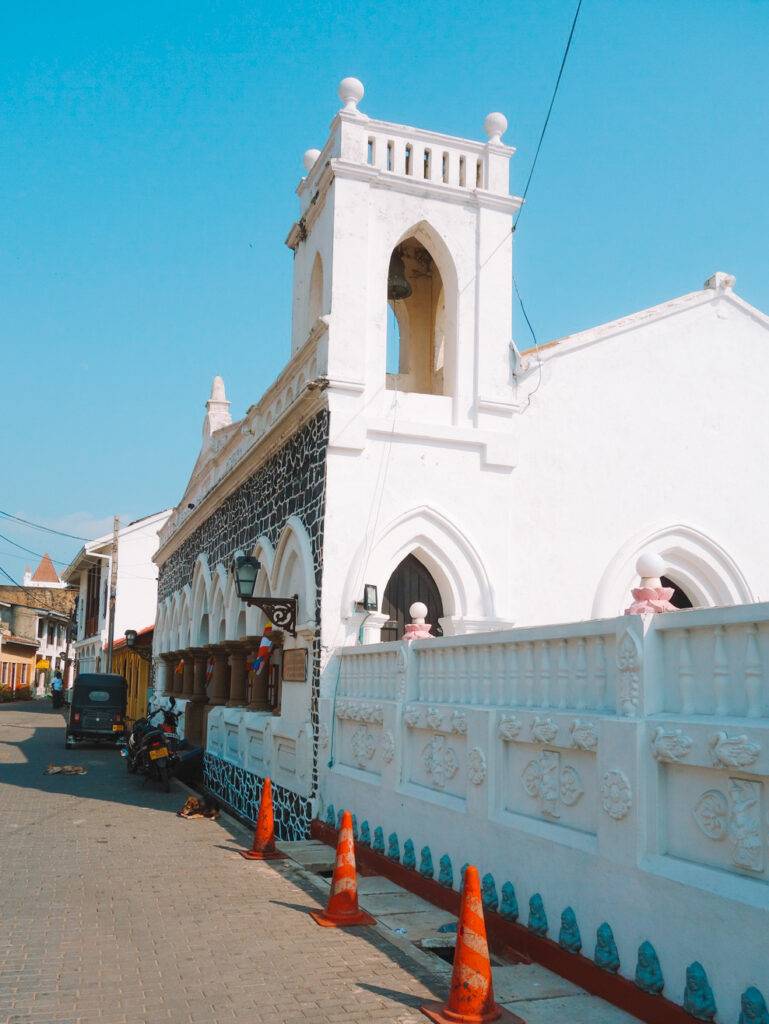
This is where you’ll lose yourself — in the best way. The Dutch-era streets are lined with beautifully preserved colonial buildings, many now converted into boutique cafes, gem shops, art galleries, and guesthouses. It’s walkable, manageable, and endlessly charming.
Pedlar Street is the main shopping artery — cobblestoned, picturesque, and packed with handmade crafts, high-end jewelry, and local clothing. Prices are higher here than elsewhere in Sri Lanka, but the quality reflects it. Pick up some locally-mined gems (sapphires and moonstones are a specialty of this region — Ratnapura, Sri Lanka’s gem-mining capital, is nearby), spices, palm-leaf bags, or coconut-crafted homewares.
My honest tip: Wandering without a plan works perfectly here. The fort is small enough that you’ll cover most of it in a few hours just by following your nose.
3. See the Galle Lighthouse
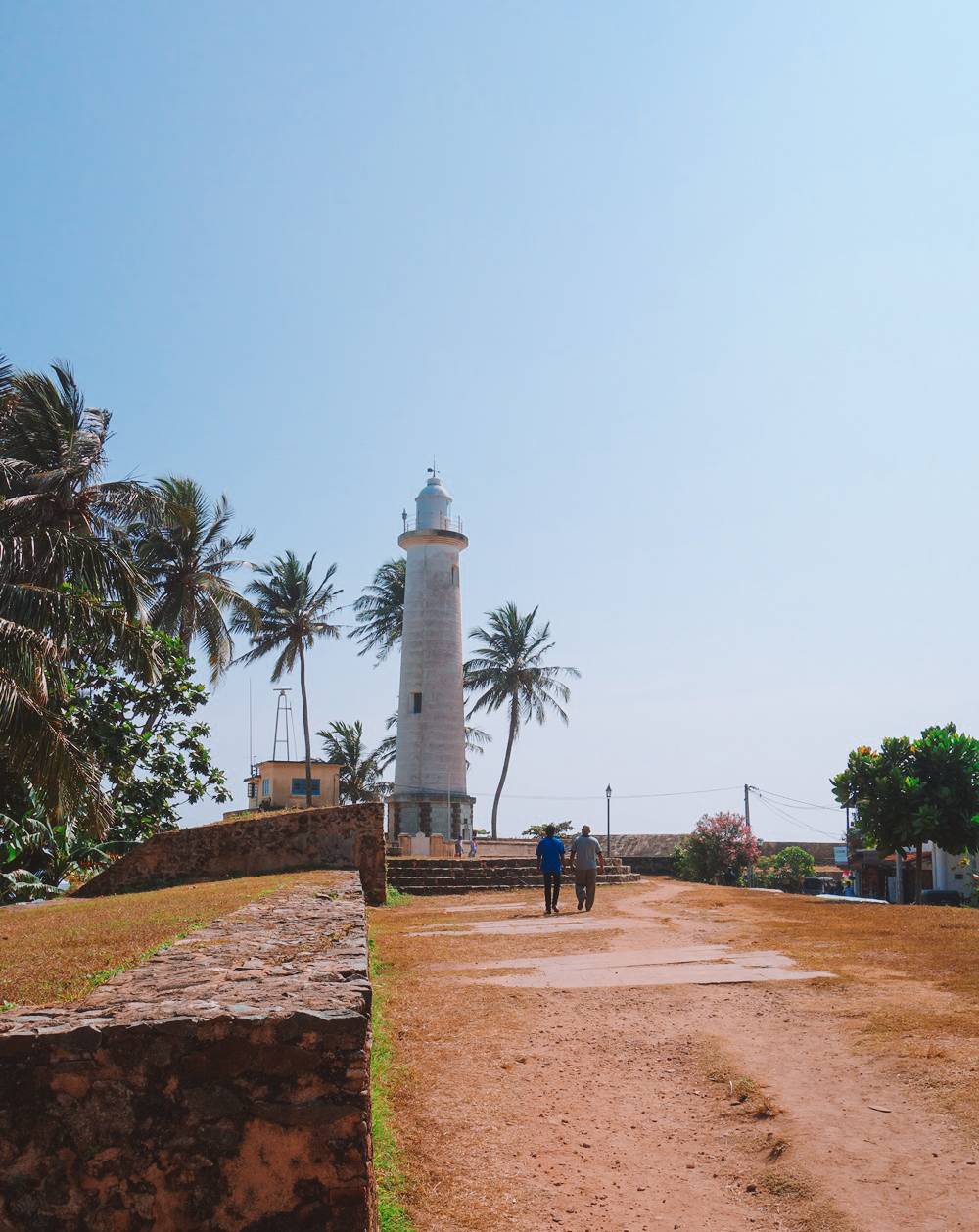
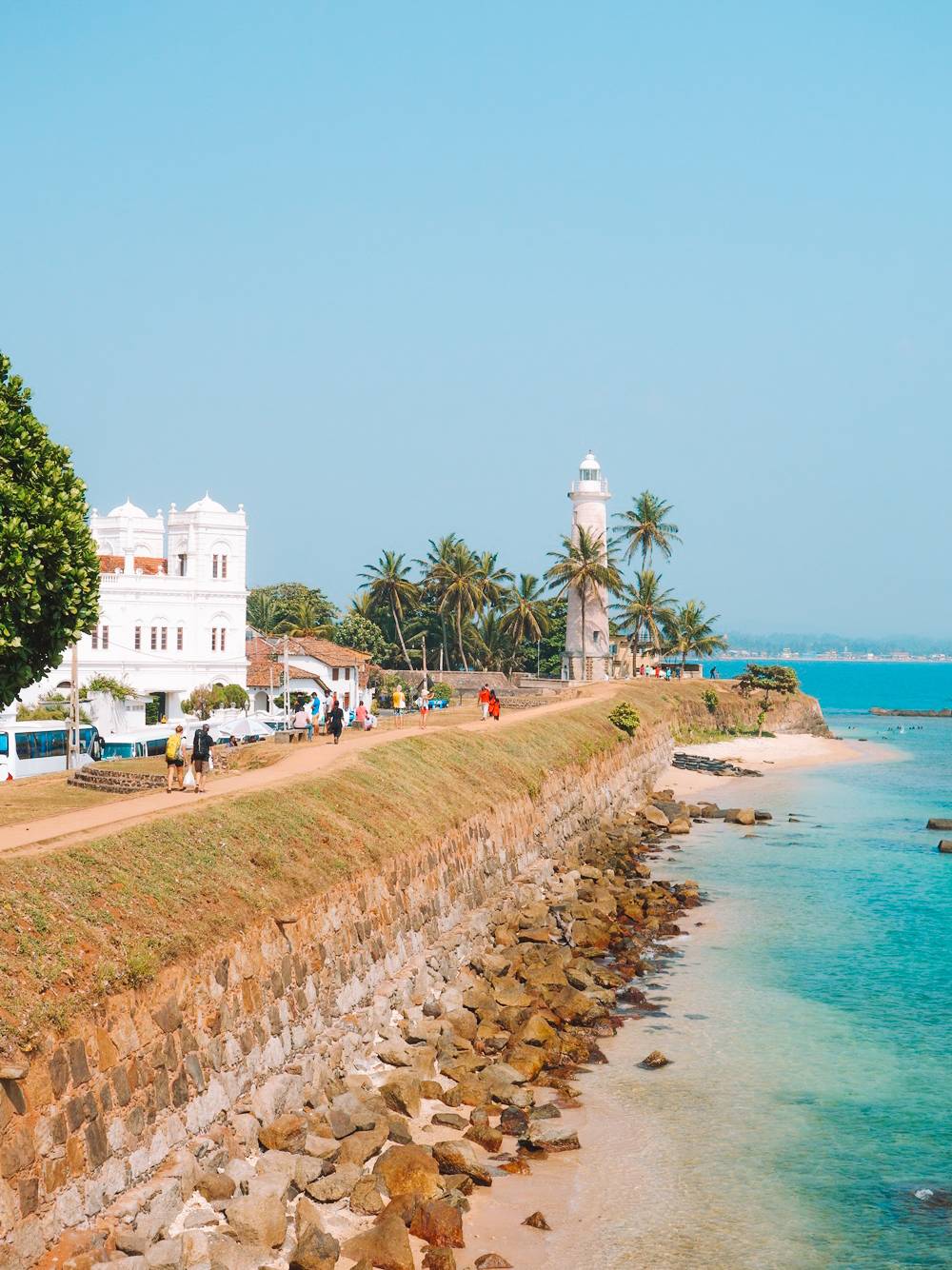
The Galle Lighthouse is the most photographed thing in town — and it earns it. Standing at 26.5 meters tall at the southern tip of the Fort on the Utrecht Bastion, it’s been guiding ships into the harbor since it was rebuilt in 1939 (the original burned down in 1936). It’s the oldest lighthouse in Sri Lanka.
Get there at sunrise for empty streets and golden light, or at sunset for the full dramatic sky-over-ocean effect. Either way, the view from the rampart here is one of the best in Galle.
4. Visit the Dutch Reformed Church (Groote Kerk)
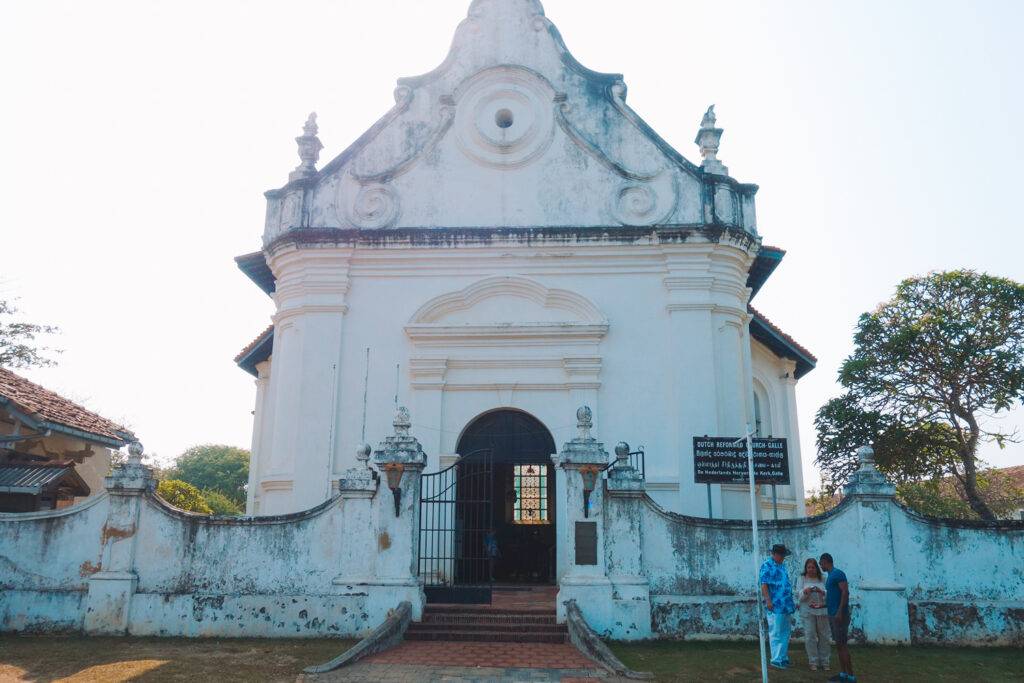
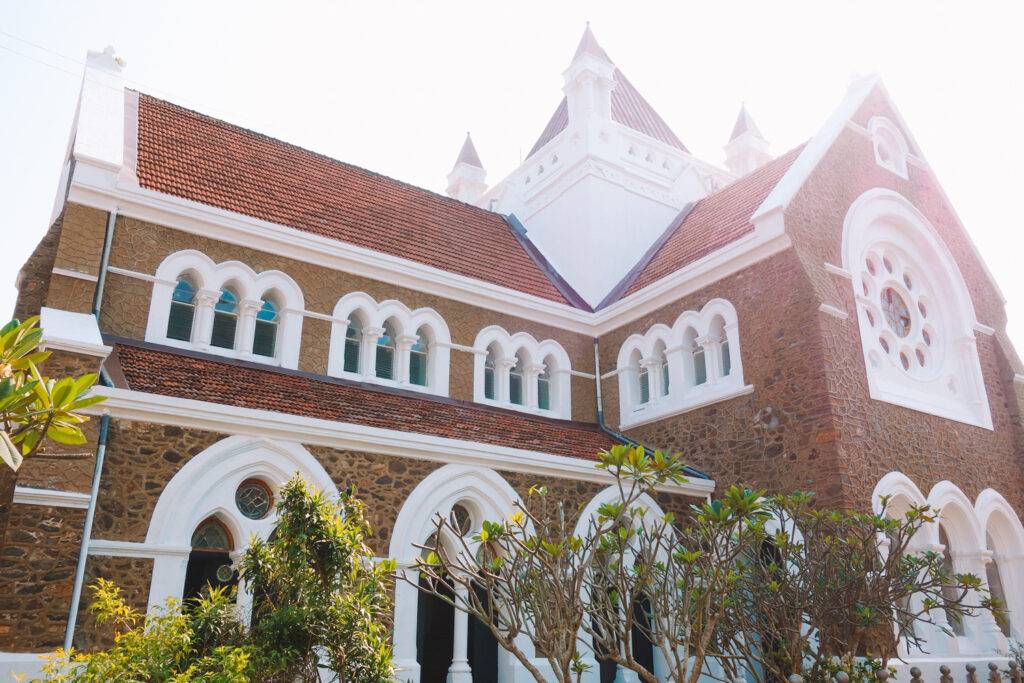
Built in 1755, this is one of the oldest Protestant churches still in operation in Sri Lanka. Inside, you’ll find a beautifully carved pulpit made from Malaysian calamander wood and an organ imported from the Netherlands. It’s small but worth 20 minutes of your time.
The tombstones embedded in the floor are particularly fascinating — many are Dutch colonial-era inscriptions. A reminder that this wasn’t just a trading post; people lived and died here.
5. Check Out the Museums (Pick Your Flavor)
There are three museums inside the Fort. You don’t need to do all of them, but at least one is worth it:
National Museum of Galle — Housed in one of the oldest Dutch buildings in the fort (built 1656). Good overview of the colonial period and maritime history. Small but well-curated.
National Maritime Museum — Housed in a 1671 Dutch warehouse. More visually engaging than the National Museum, with ship models, navigational instruments, and exhibits on the Indian Ocean trade routes that made Galle famous. My pick if you only visit one.
Historical Mansion Museum — A quirky private collection of antique furniture, old coins, vintage jewelry, and colonial-era oddities. A bit of a jumble, but charming.
Practical info: All three charge a small entry fee. Morning visits are quieter.
6. Eat Your Way Through the Fort
Galle has genuinely good food — don’t just grab the first tourist menu you see.
Kottu Roti — Sri Lanka’s greatest contribution to the food world. Chopped roti stir-fried with vegetables, egg, and your choice of protein. Galle Things Roti does the best version I’ve had. Get there hungry.
Afternoon Tea at Amangalla Hotel — Yes, it’s a splurge. But afternoon tea at this gorgeous colonial hotel (set in a building that dates to 1684) is a proper experience. Crisp linen, silver teapots, and enough scones to make you rethink your afternoon plans. Budget about $25–40 pp.
Lucky Fort Restaurant — A local family-run gem tucked down a colonial alley. The set meal for two (about LKR 3,850 / ~$13) gets you a parade of 10 curries. Outstanding value and authentically delicious.
Isle of Gelato — When the midday heat makes you regret all your life choices, this place has the answer. I went for cashew, coconut, and salted caramel. Zero regrets. Indoor and outdoor seating; expect a line.
Colombo Coffee Company — A cool spot inside the fort for Sri Lankan-grown Arabica coffee. A great pit stop mid-walk.
7. Relax at Lighthouse Beach (or Nearby Beaches)
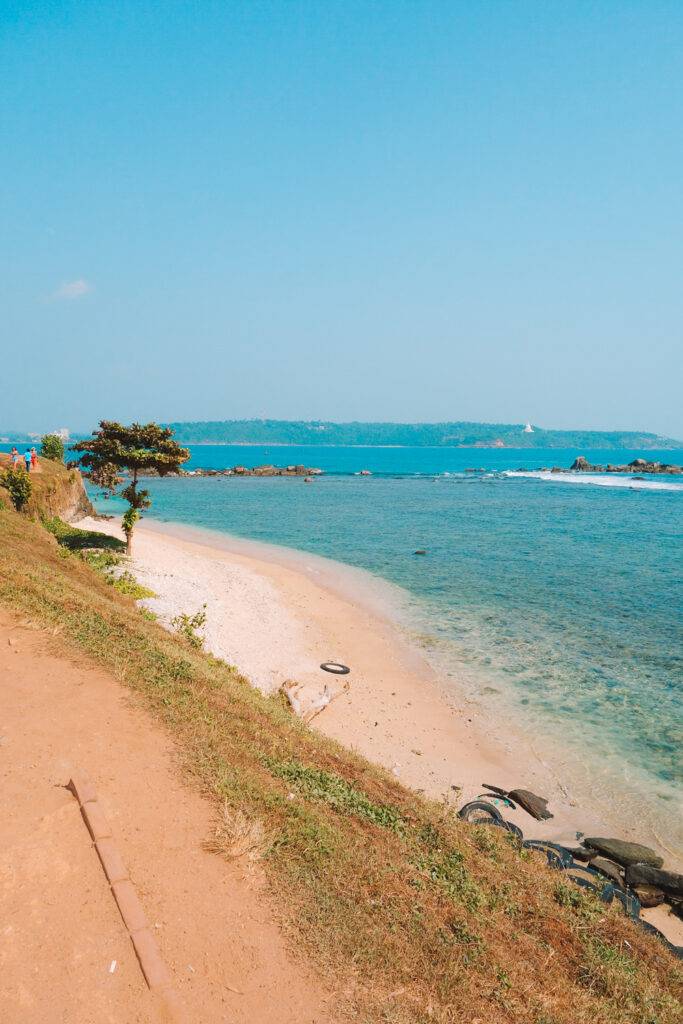
The small beach right below the lighthouse is perfect for a quick dip when the fort heat gets to you. Clear shallow water, good shade from trees, views of the harbor. Note: swim only within the marked safe zone — the reefs and rocks outside it are no joke.
If you have more time, nearby beaches within 15 minutes by tuk-tuk include:
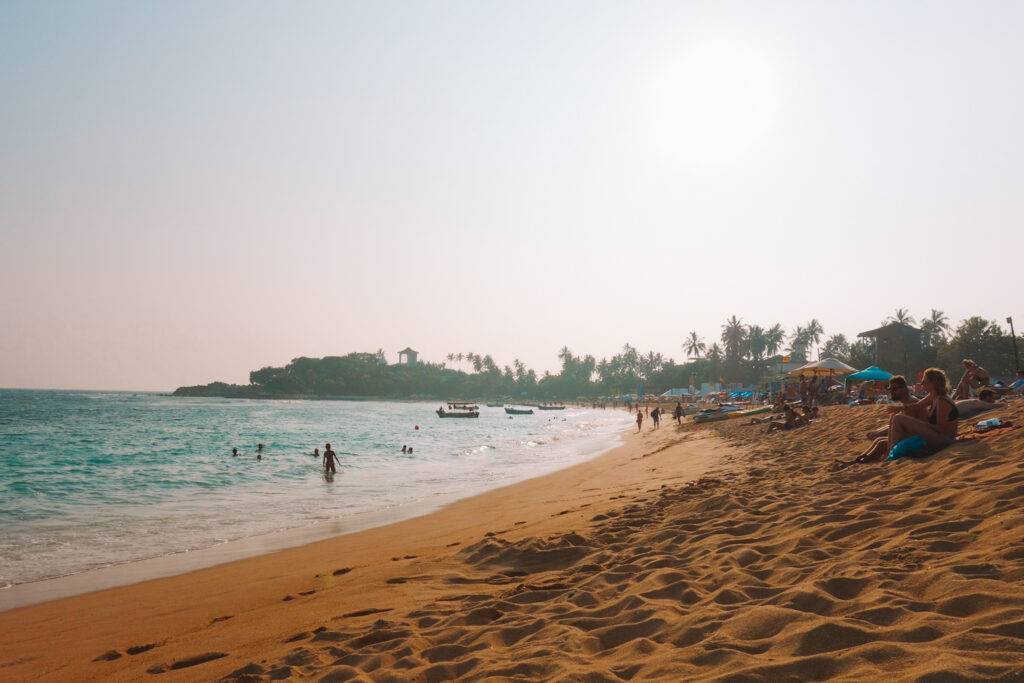
Unawatuna Beach — The most popular in the area. Busy in high season but has great facilities, restaurants, and reef snorkeling.
Jungle Beach — Just past Unawatuna, this tucked-away spot requires a short jungle walk to reach. Worth every step. Clear water, natural shade, fewer crowds.
Dalawella Beach — Great for spotting sea turtles. Watch but don’t touch!
8. Watch a Cricket Match at Galle International Stadium
One of the most unique cricket stadiums in the world — and I don’t say that lightly. The Galle International Cricket Stadium was established in 1876 and sits right against the Fort walls, with views of the Indian Ocean as the backdrop. If there’s a test match on during your visit, go. Even if you don’t care about cricket.
No match? You’ll still spot locals playing impromptu games on any available patch of grass around town. Cricket here isn’t a sport — it’s a religion.
9. Take a Cooking Class
Getting hands-on with Sri Lankan cuisine is one of the most memorable things you can do here. Several spots in and around Galle offer cooking classes — Lucky Fort runs good ones, and there are also village-based experiences that take you to a local market first, then into someone’s kitchen to make brinjal pahi, pol sambola, dhal, and coconut curries.
Sri Lankan spice use is genuinely complex and beautiful — learning it firsthand is worth far more than any cookbook.
10. Day Trip: Eco River Tour or Safari
Eco River Tour (Kapu Ela River): A few operators run boat tours on the river just outside Galle. You’ll float past cinnamon plantations, spot water monitors (some are huge — don’t panic, they’re harmless), and see the national flower of Sri Lanka, the Blue Water Lily. Some tours combine it with a village visit and a bike ride back. Half-day, highly recommend.
Udawalawe National Park Safari: About 2–3 hours from Galle. Over 500 elephants call this park home. It’s smaller and less crowded than Yala, which means better odds of close-up sightings. Morning or late afternoon departures are best.
Where to Stay in Galle
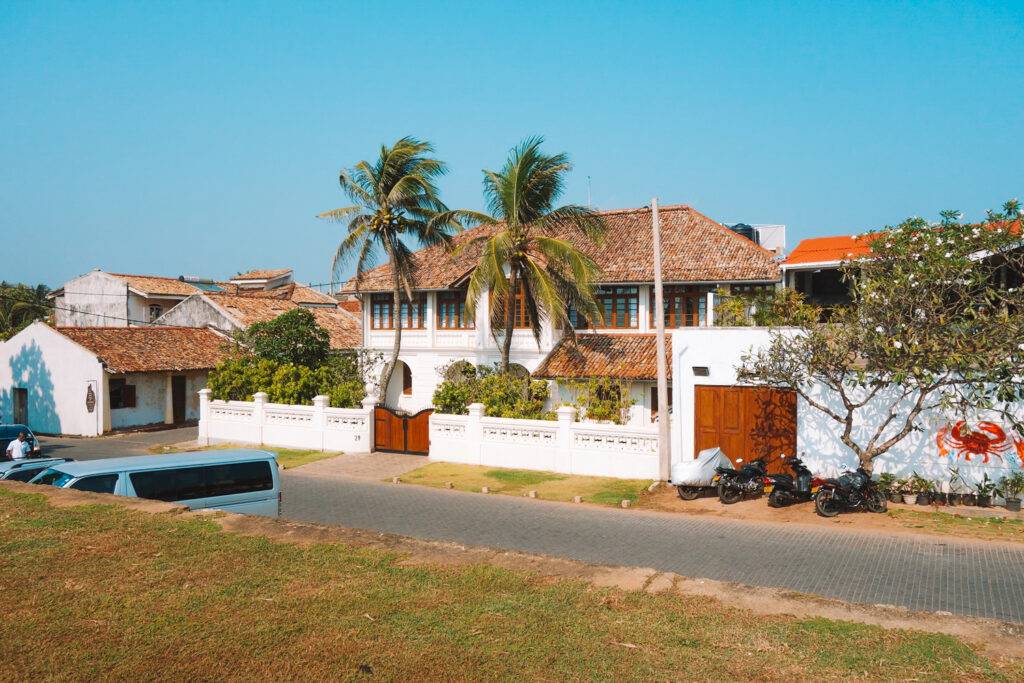
Stay inside the Fort. Full stop. Outside is functional but charmless.
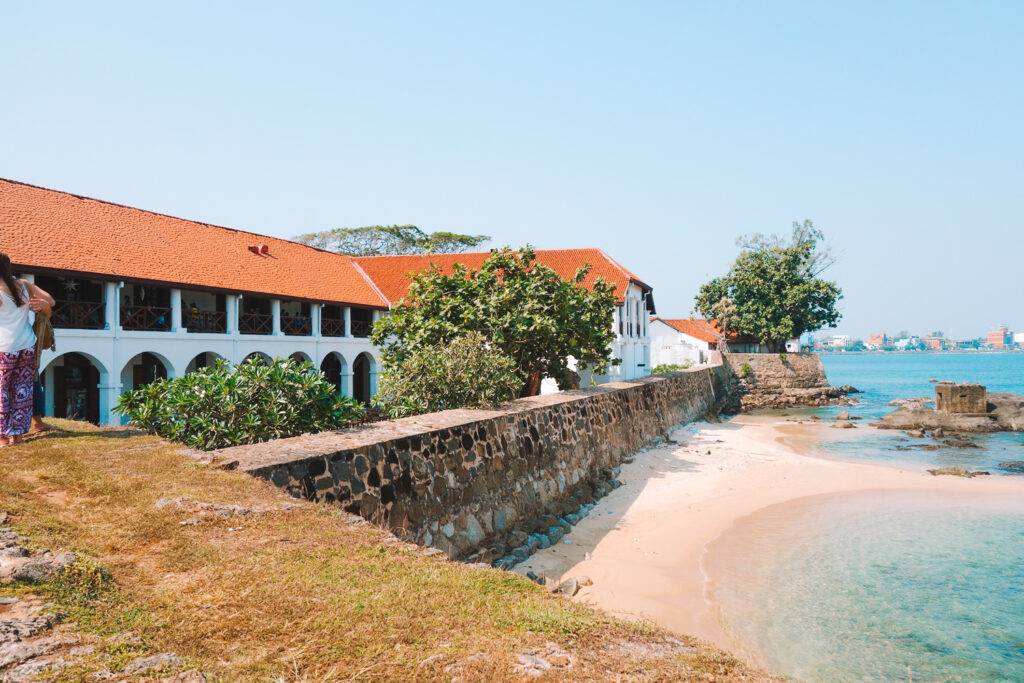
Mid-range splurge: Prince of Galle Hotel — A colonial-era building inside the fort that makes you feel like you’ve time-traveled. Stunning.
Boutique charm: Look for guesthouses in restored Dutch colonial buildings — Thambili House By Edwards Collection (300-year-old family home) is stunning and well-reviewed.
Budget option: Plenty of guesthouses even inside the Fort walls offer clean, simple rooms at a fraction of the price.
How Much Time Do You Need in Galle?
Half a day: You can cover the main fort highlights — lighthouse, ramparts, Dutch Church — in a morning or afternoon. This works if you’re en route between Colombo and the south.
1 full day: The sweet spot for most visitors. Walk the fort in the morning, eat a proper lunch, hit the beaches or museums in the afternoon, watch the sunset from the ramparts.
2 nights: Recommended if you want to do a day trip to Udawalawe, explore the nearby beaches properly, or just slow down and enjoy the vibe. Galle rewards you for not rushing.
Best Time to Visit Galle
November to March is your window. The weather is dry, sunny, and ideal for both sightseeing and beach time. This is also peak tourist season, so book accommodation early.
April to September is monsoon season in southern Sri Lanka (Monsoon Yala). Expect heavy rain, flooding, and significantly worse beach conditions. Not impossible to visit, but not ideal.
Where to Go After Galle
Galle sits perfectly in the middle of the southern coast circuit:
Unawatuna — 15 minutes east. Beaches, snorkeling, laid-back vibes.
Mirissa — 45 minutes east. Whale watching capital of Sri Lanka (December–April).
Colombo — 2.5 hours north. Worth at least half a day if you haven’t explored the capital.
Sinharaja Rainforest — ~1.5 hours inland. Sri Lanka’s last rainforest.
Liked this guide? Save it for later or share it with your travel crew!
Related posts:
 Dambulla Cave Temple – Entrance fee, opening hours, dress code…
  Kaudulla National Park Safari Guide: Everything You Need to Know
  Best Things to Do in Nuwara Eliya: Sri Lanka’s Little England Travel Guide
  Things to Do in Ella, Sri Lanka: The Complete Travel Guide
  How to Visit Sigiriya Rock Fortress, Sri Lanka: The Complete Guide
  Things to Do in Kandy, Sri Lanka: The Complete Travel Guide
  Best places to visit in Sri Lanka
  Top 10 temples in Sri Lanka for your bucket list
  Best things to do in Jaffna – Complete travel guide
