
Things to Do in Kandy, Sri Lanka: The Complete Travel Guide
Disclaimer: This post may contain affiliate links, which means that if you click on any of those links and make a purchase, I’ll get a small commission, at no cost to you, to help support this website.
Last Updated on June 9, 2026
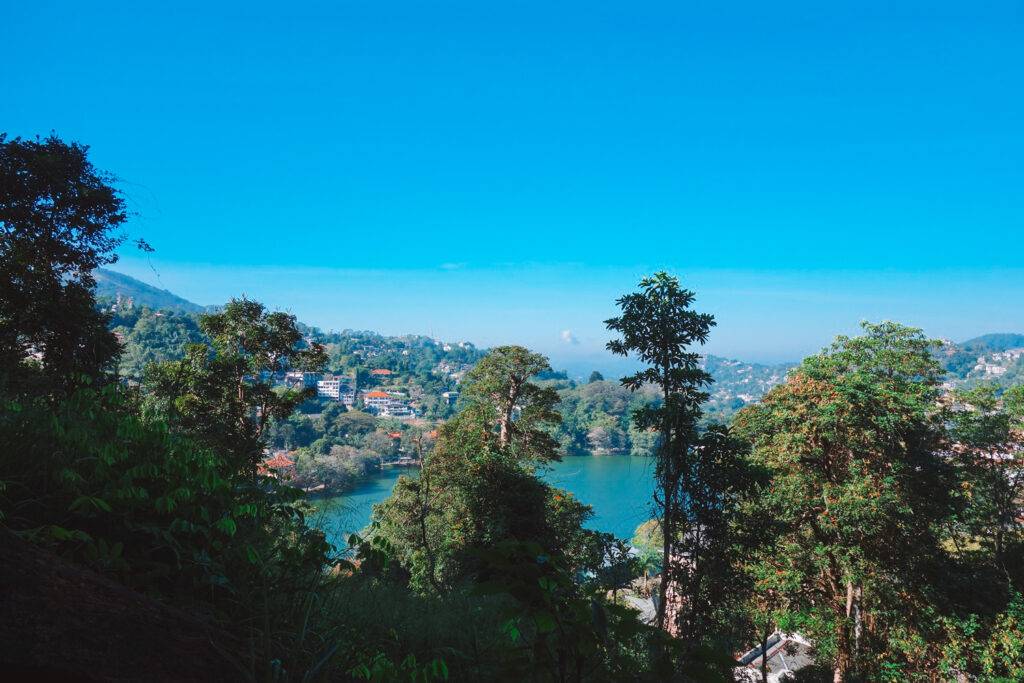
Kandy is the kind of city that sneaks up on you. On paper, it’s Sri Lanka’s second-largest city and the island’s cultural and religious capital. In person, it’s a bowl of misty green hills, ancient temples, a lake that turns pink at sunset, and enough street food smells to make you forget you had a plan.
I’ve visited Sri Lanka during a month-long trip, in January, and Kandy is one of those places that sticks with you — not just to check off the Tooth Temple, but to wander, eat, and actually slow down.
Most travelers zip through Kandy in a day or treat it purely as the starting point for the famous train to Ella. That’s a mistake. Give it two to three days and it’ll give back tenfold. Here’s everything you need to know.
Kandy at a Glance
Kandy was founded in the mid-15th century and served as the capital of the Sinhalese kingdom from 1592 until the British finally wrested control in 1815, after the Portuguese and Dutch had both tried and failed. That stubborn independence is still in the city’s DNA. Today it’s Sri Lanka’s religious capital, a UNESCO World Heritage Site, and home to the most important Buddhist relic in the country.
Every August, the city throws one of Asia’s most spectacular festivals: the Esala Perahera. A ten-night procession of elephants, fire dancers, and drummers that draws hundreds of thousands of people. If you can time your trip around it, do it.
Quick Reference: Kandy Travel Summary
| Best for | When to go | Cost | Getting there | Don’t miss | Skip |
|---|---|---|---|---|---|
| Culture, temples, nature, scenic train rides | Dec–Mar (dry season); Aug for Perahera festival | Budget-friendly; ~$30–50/day mid-range | Train from Colombo (~2.5 hrs); bus or private taxi also available | Tooth Temple pooja ceremony, traditional dance show, Kandy–Ella train | Elephant orphanages (chains, riding — skip it) |
Things to Do in Kandy
1. Visit the Temple of the Tooth (Sri Dalada Maligawa)
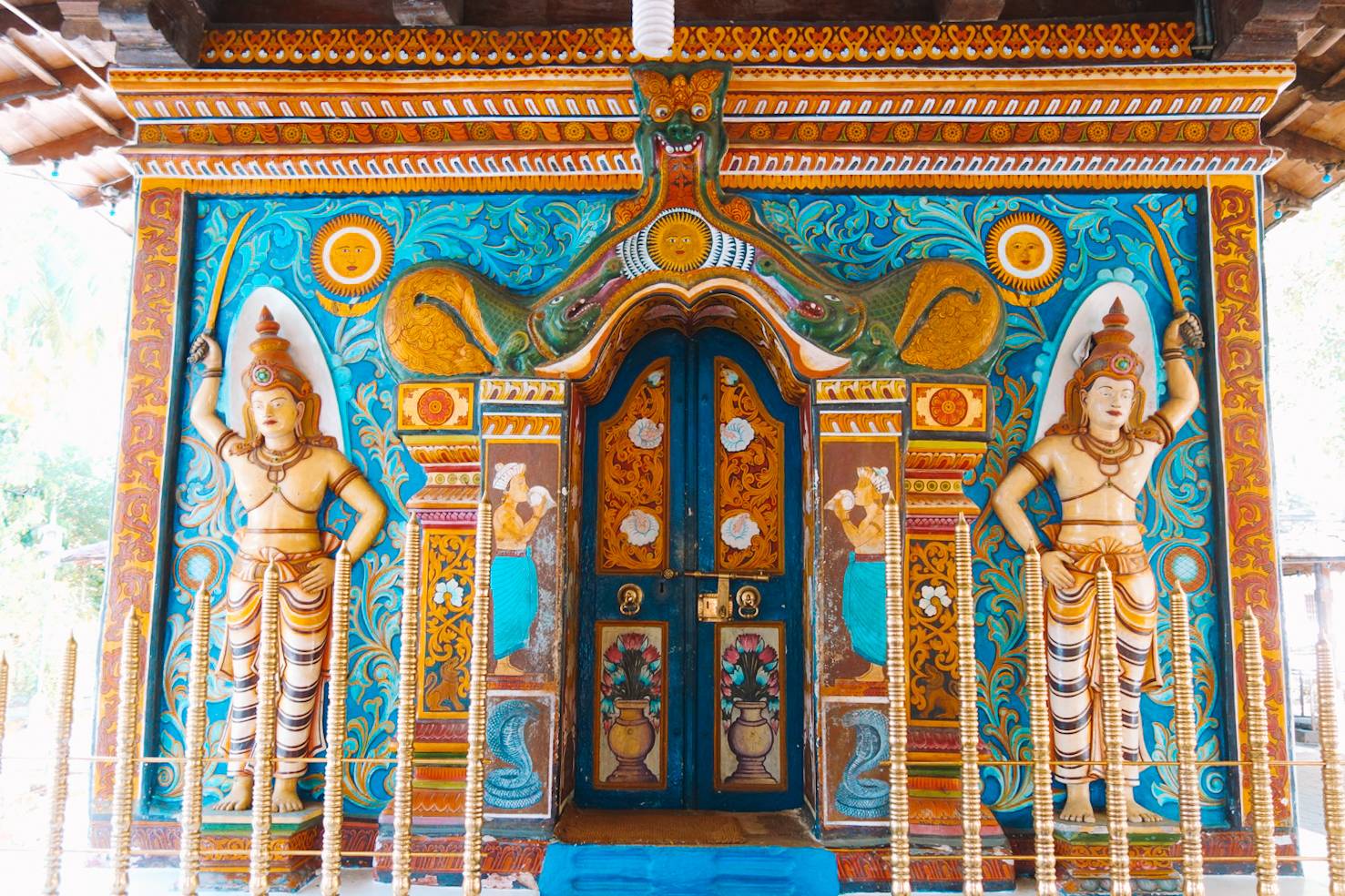
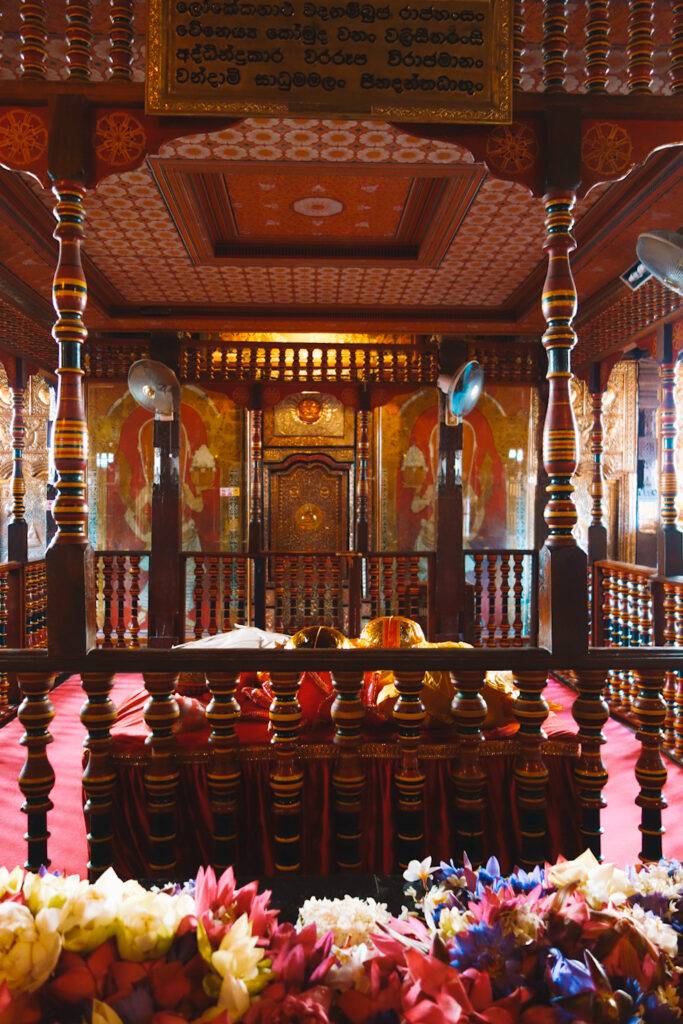
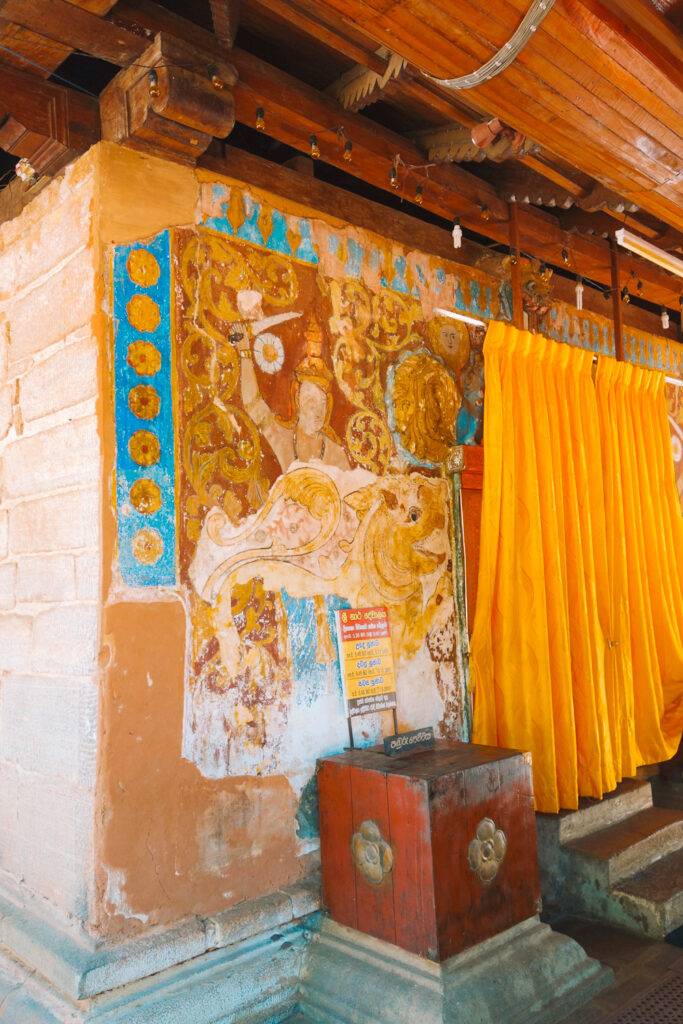
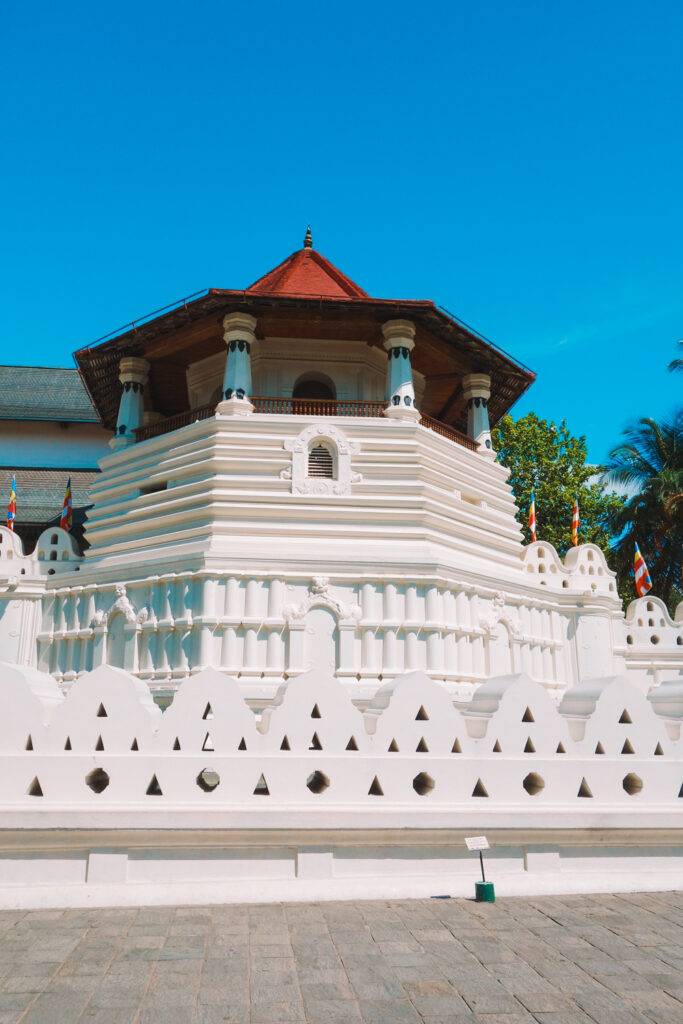
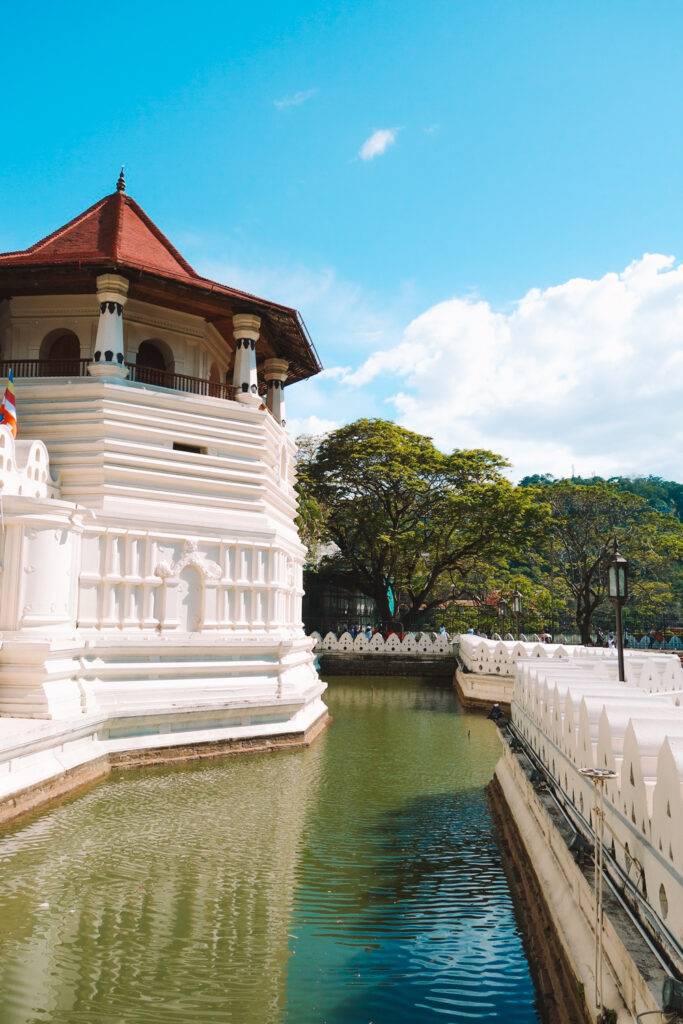
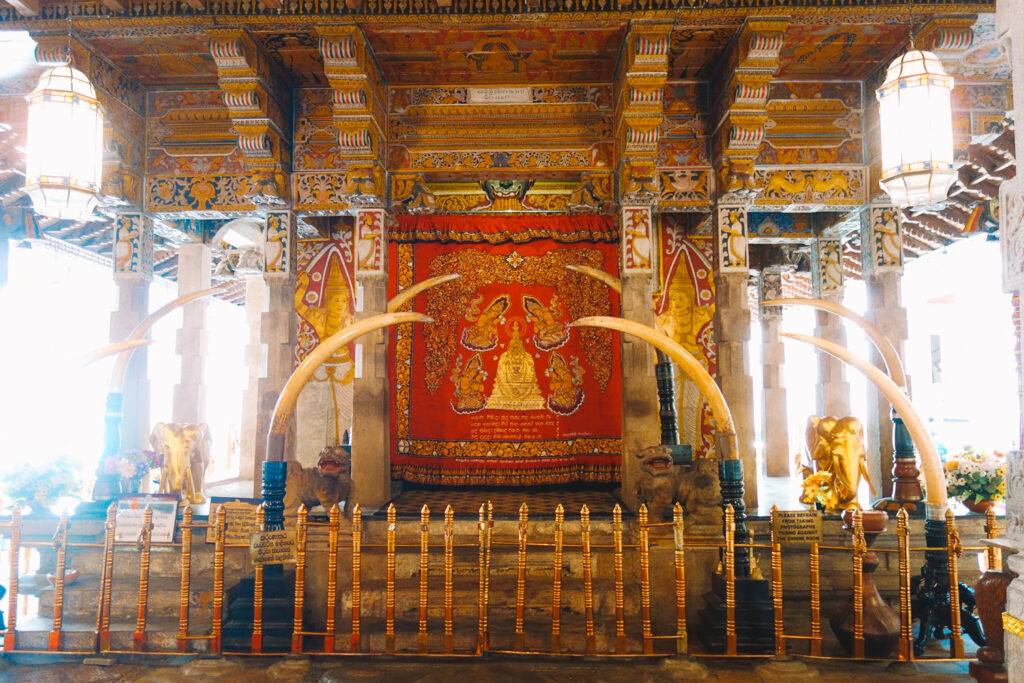
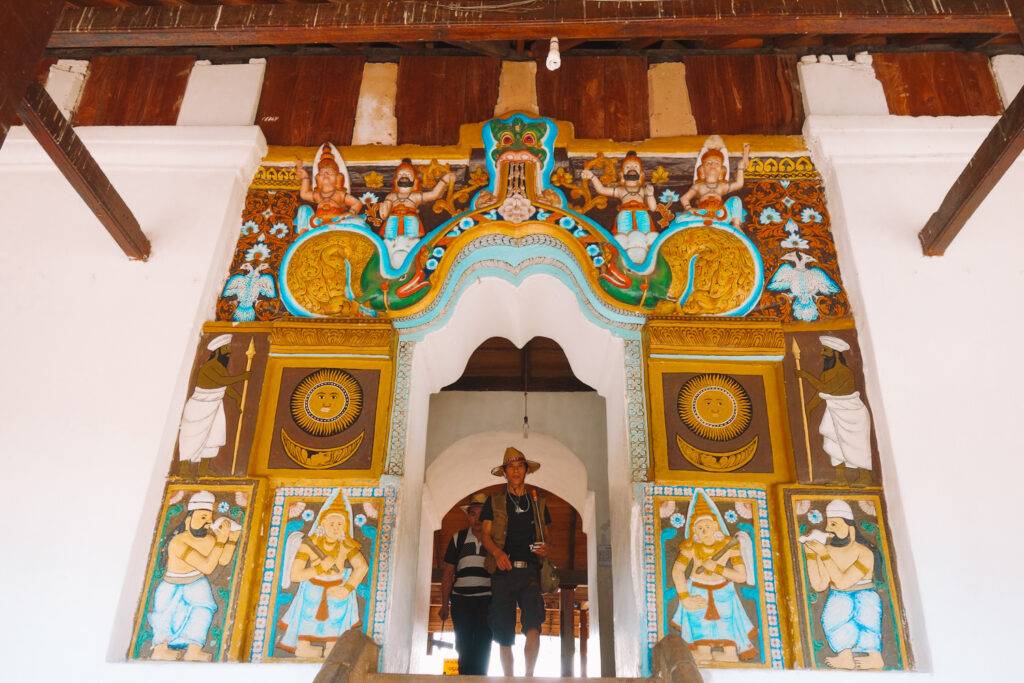
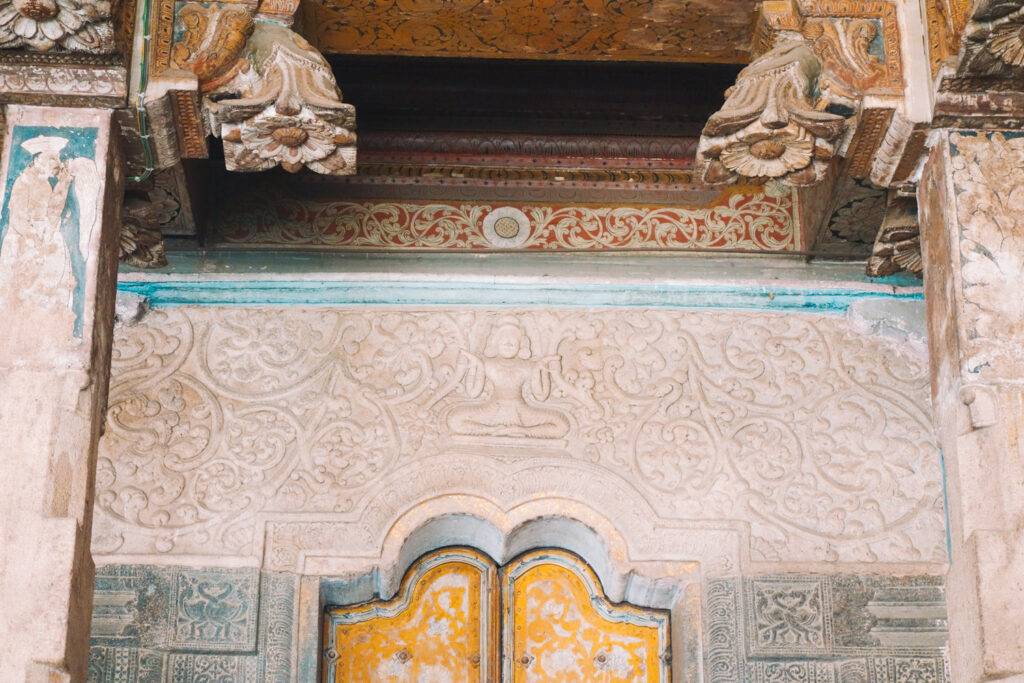
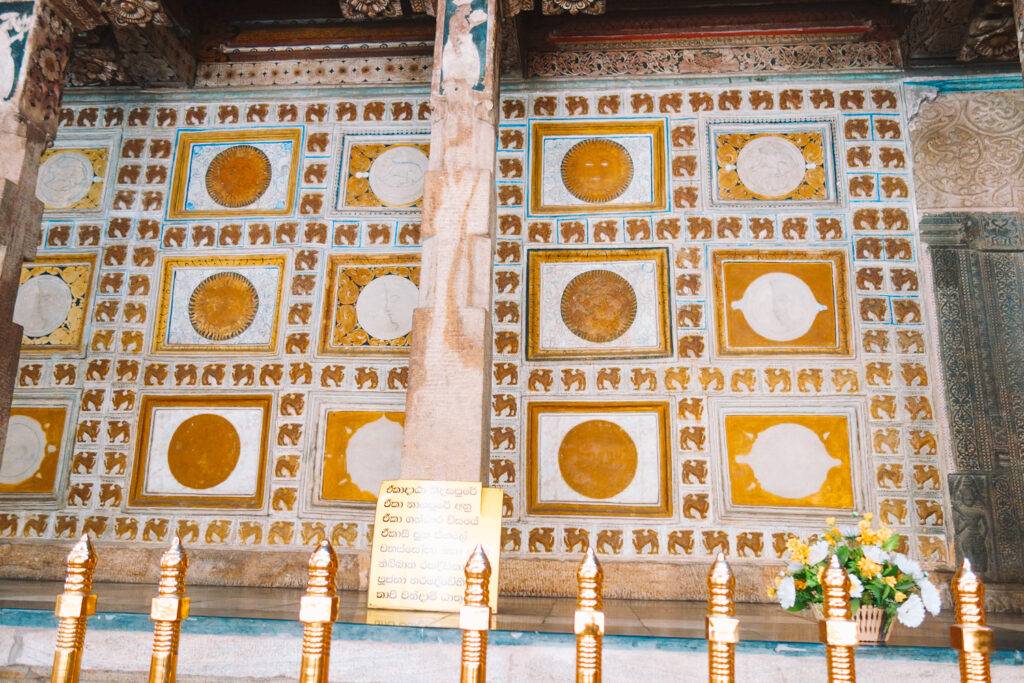
You can’t come to Kandy and skip the Tooth Temple. It’s the whole reason the city is on the map. The Sri Dalada Maligawa houses what’s believed to be a tooth of the Buddha, brought from India to Ceylon in the 4th century, hidden in the hair of Princess Hemamali to keep it from being destroyed. Whoever possessed the relic held political legitimacy in Sinhalese history, and that reverence hasn’t faded one bit.
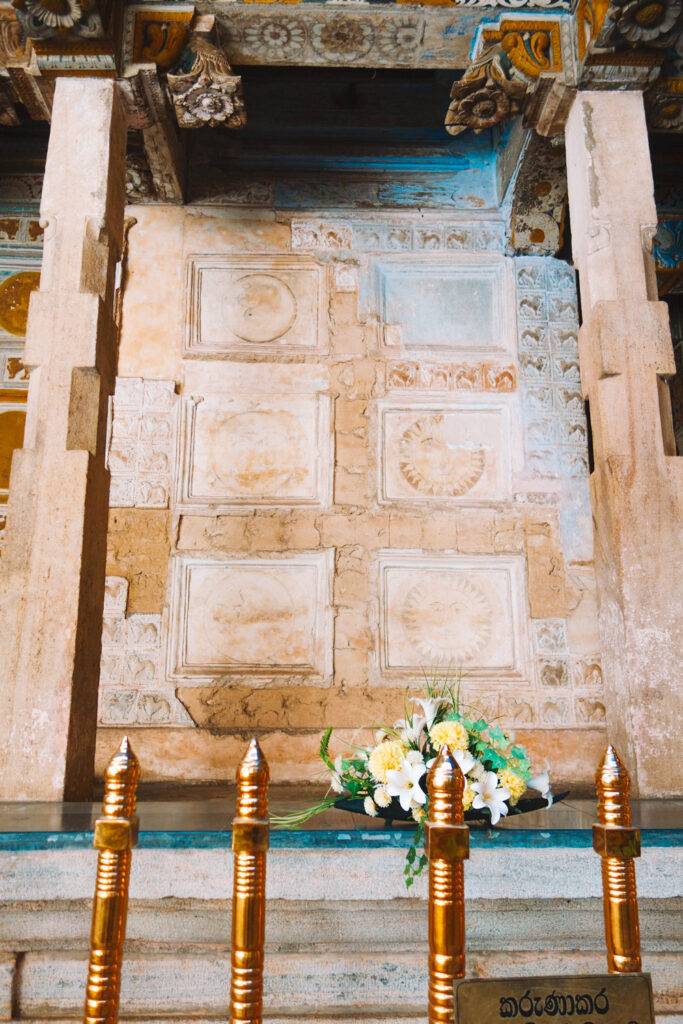
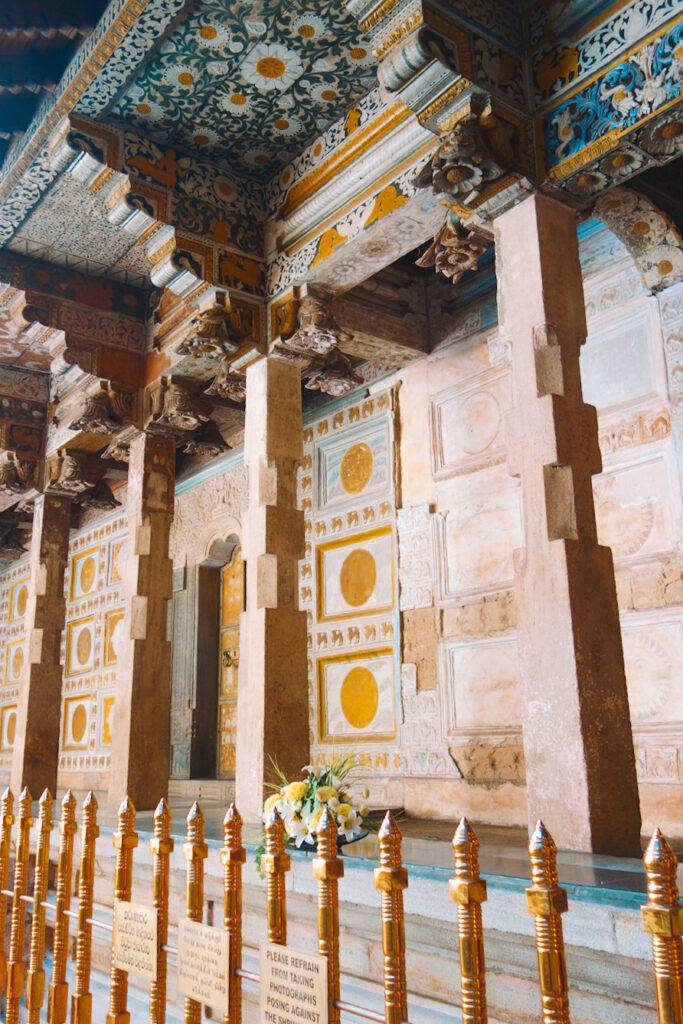
The current building dates to the 18th century, though it’s been rebuilt and expanded many times. You won’t actually see the tooth, it’s locked inside a series of seven nested golden caskets, but the ceremony around it is worth timing your visit for.
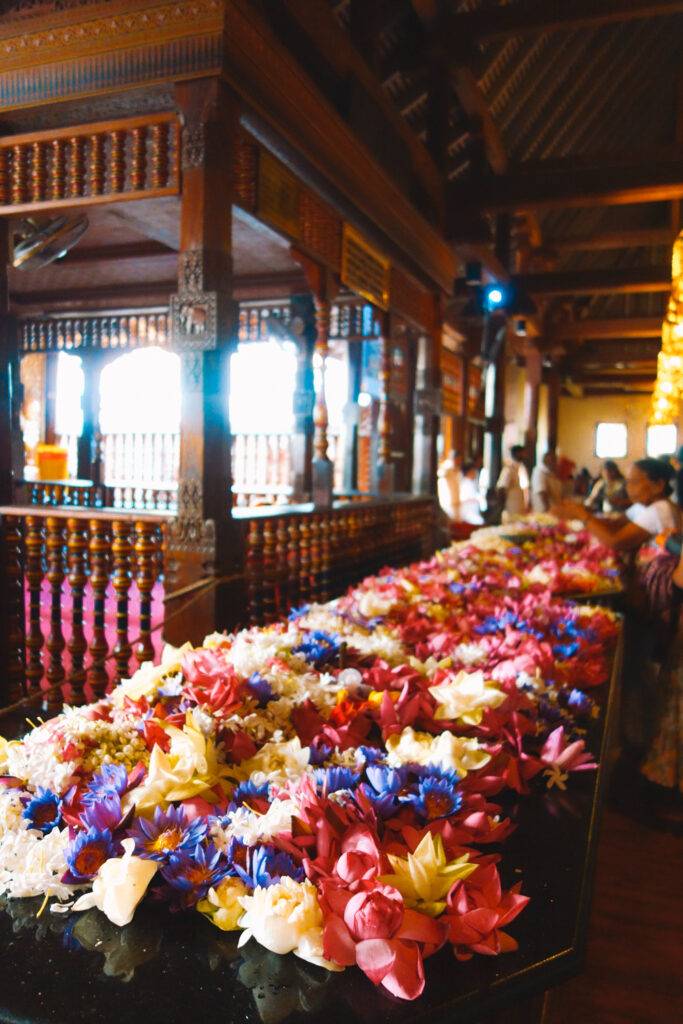
Three times a day (5:30 AM, 9:30 AM, and 6:30 PM), the temple holds a pooja: chanting, drumming, lotus flower offerings, and an electric sense of devotion. I caught the morning one and it was genuinely moving, even in a crowd.
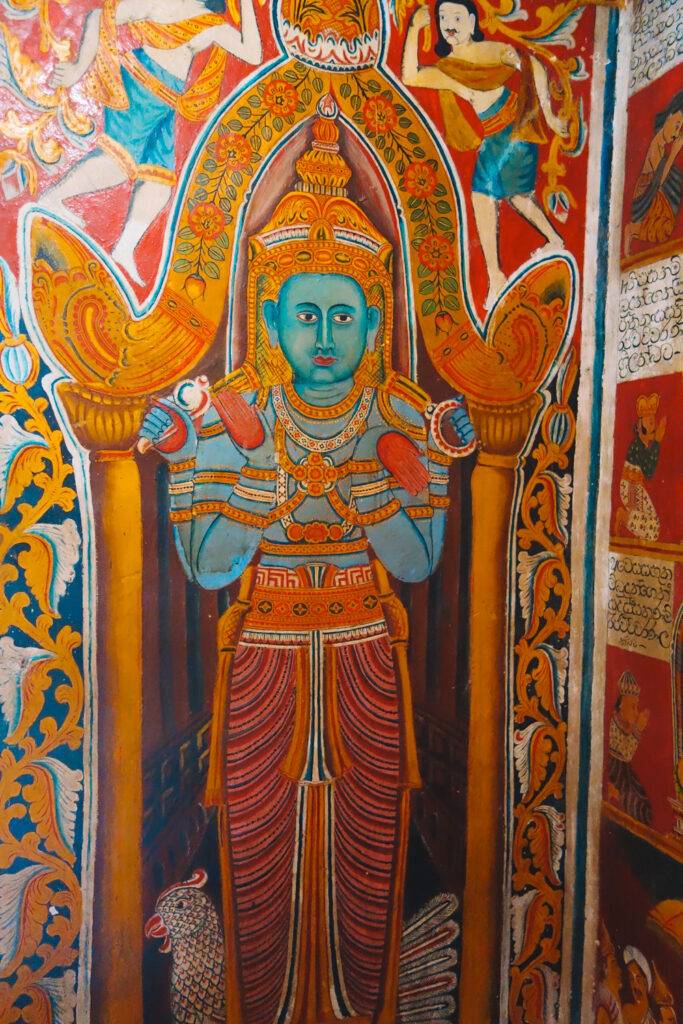
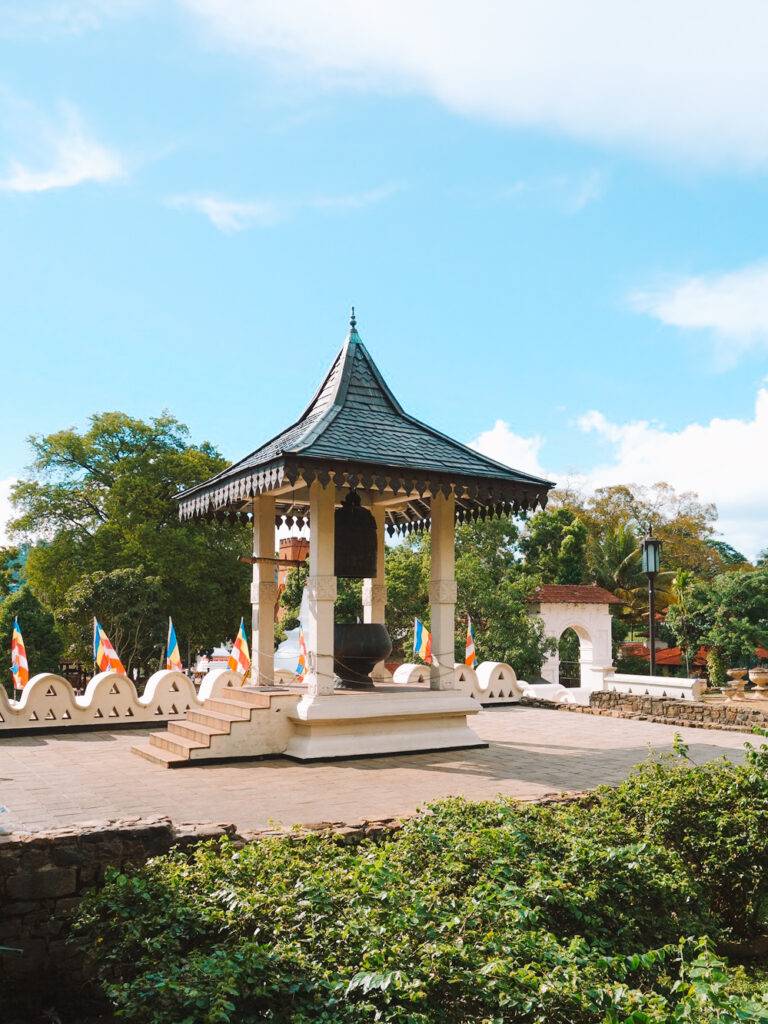
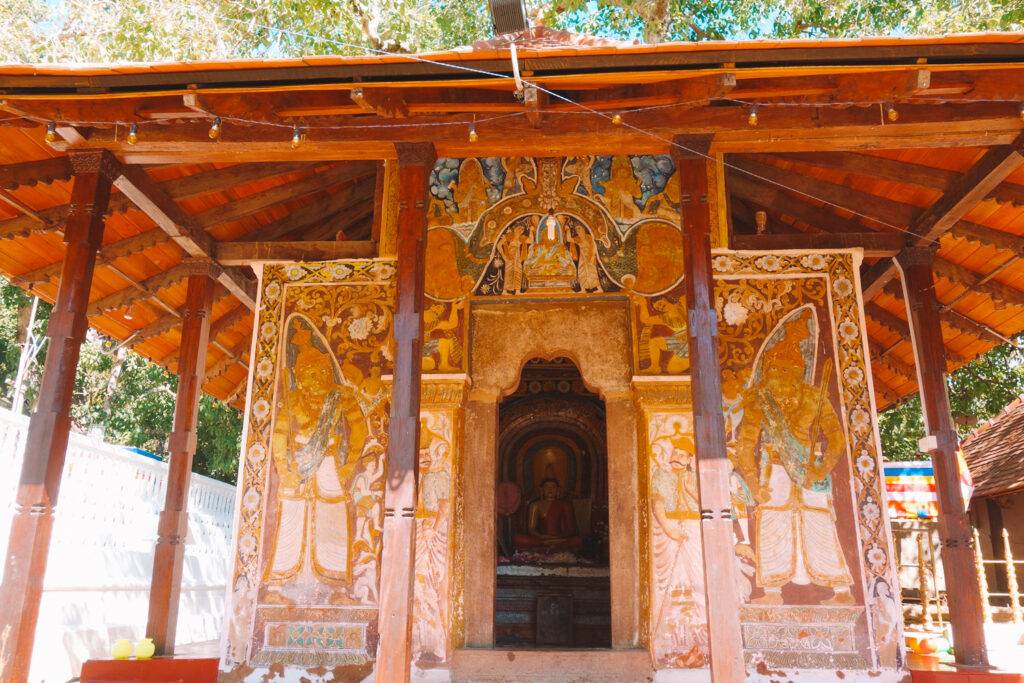
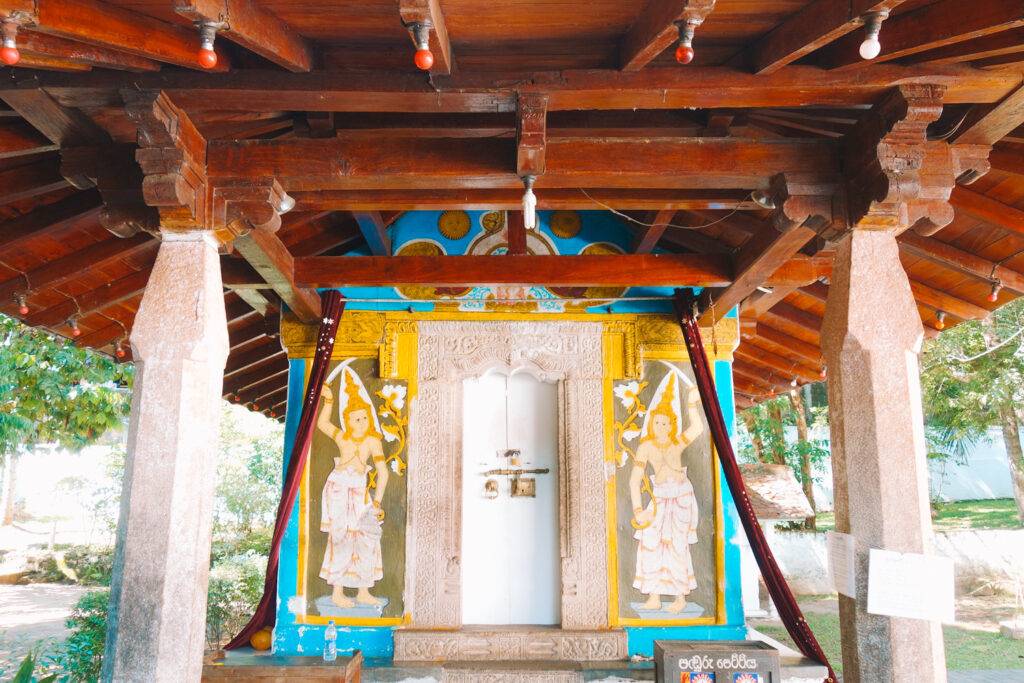
Beyond the main shrine, the complex is huge. Wander into the attached smaller temples, the museum, and the royal palace next door. Budget at least 1.5–2 hours. Dress code is strict: shoulders and knees covered, shoes off before entering. Bring socks you don’t mind getting dirty.
Hours: Daily 5:30 AM – 8 PM | Entrance: Rs 2,000 for foreigners
2. Visit the World Buddhist Museum
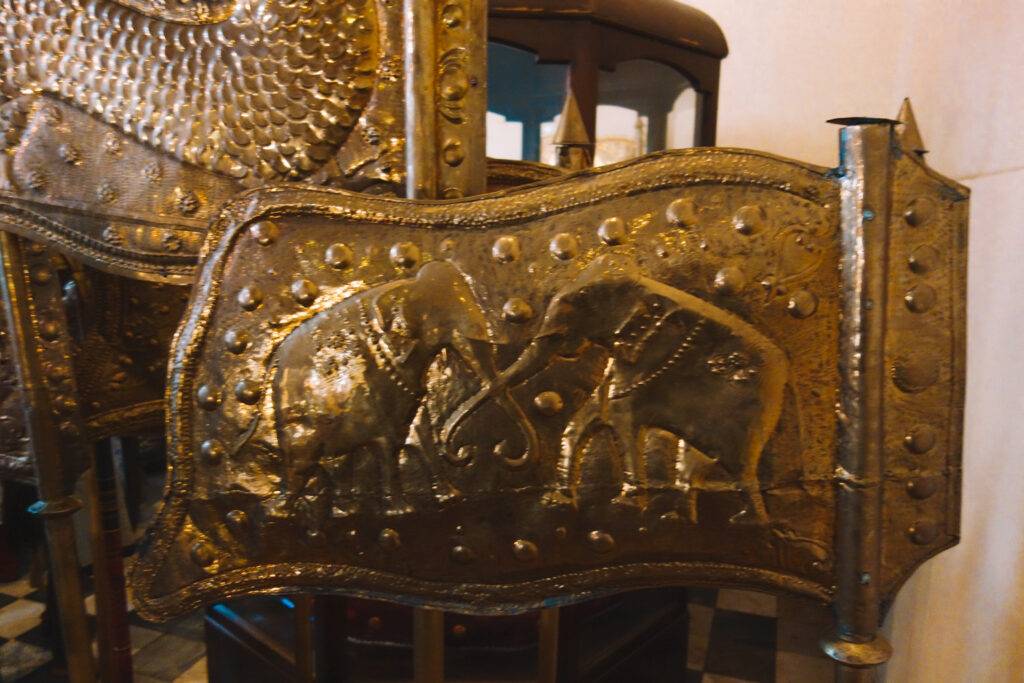
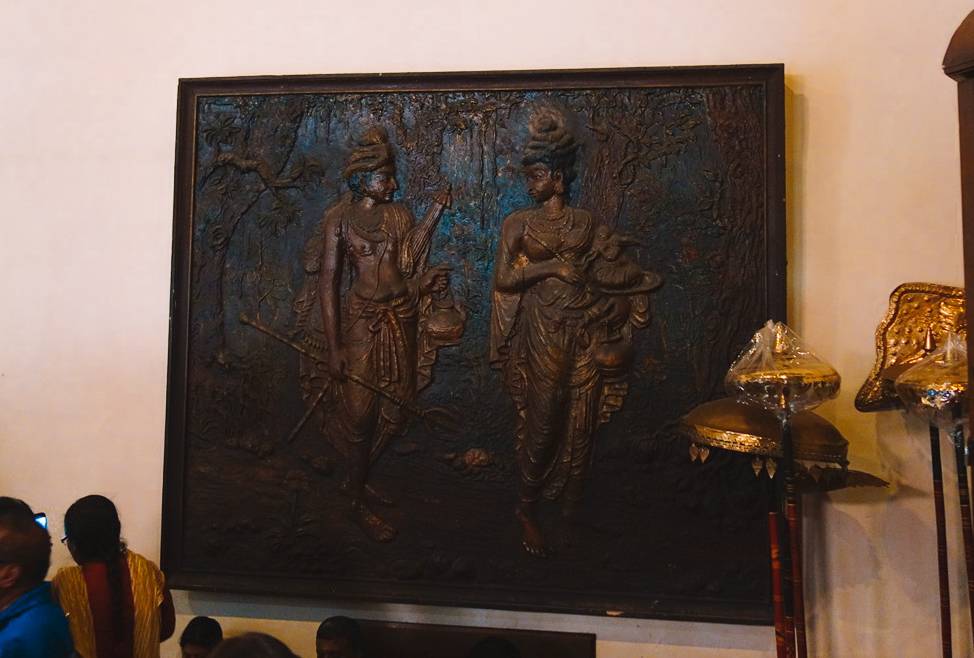
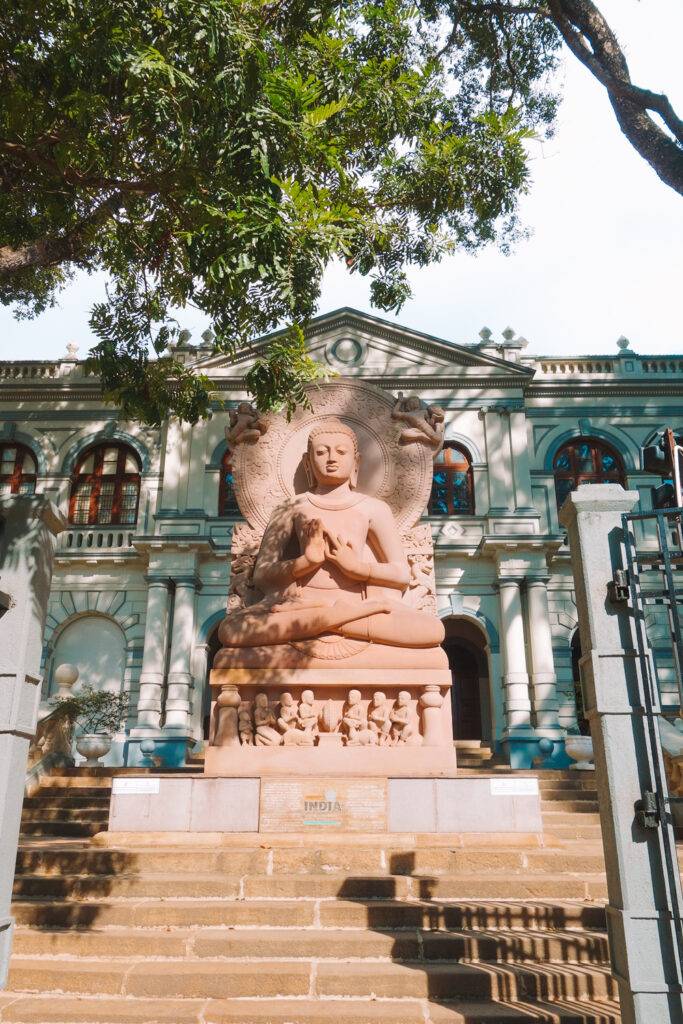
Directly attached to the Tooth Temple complex (and included in your entrance fee), the World Buddhist Museum is genuinely one of the better-curated museums I’ve seen in South Asia.
The Sri Lankan government invited Buddhist countries from around the world to contribute a room each, so you end up with this fascinating side-by-side comparison of how Buddhism looks in Tibet, Thailand, Japan, Cambodia, and beyond. Some rooms are sparse, some are elaborate, but the overall effect is surprisingly educational. Give it about an hour.
Hours: Daily 8 AM – 7 PM | Entrance: Included with Tooth Temple ticket
3. Watch a Traditional Kandyan Dance Show
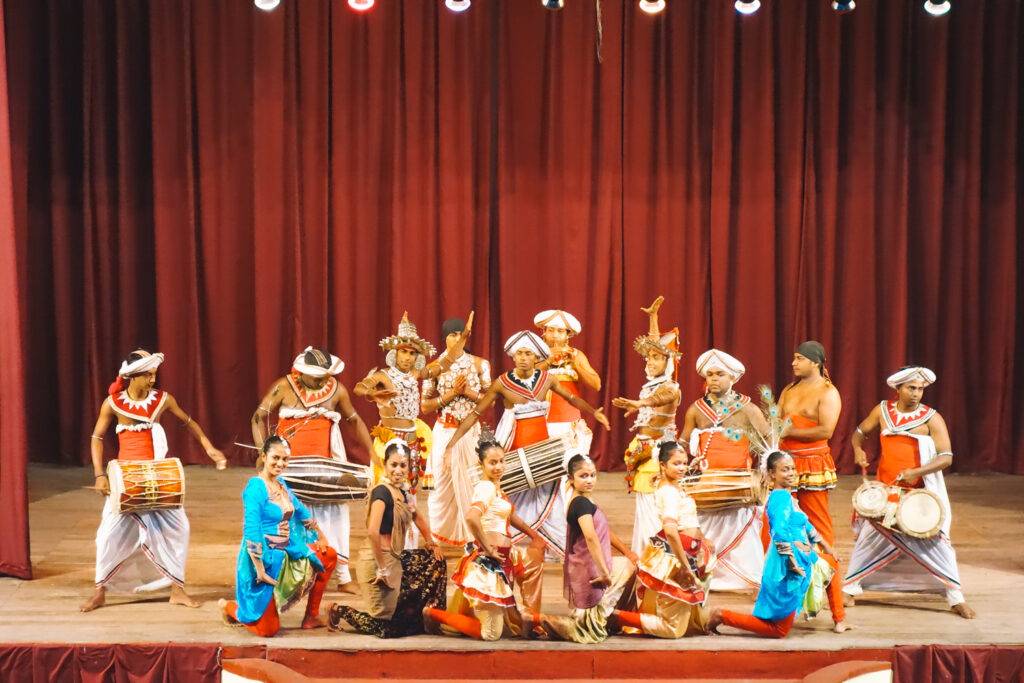
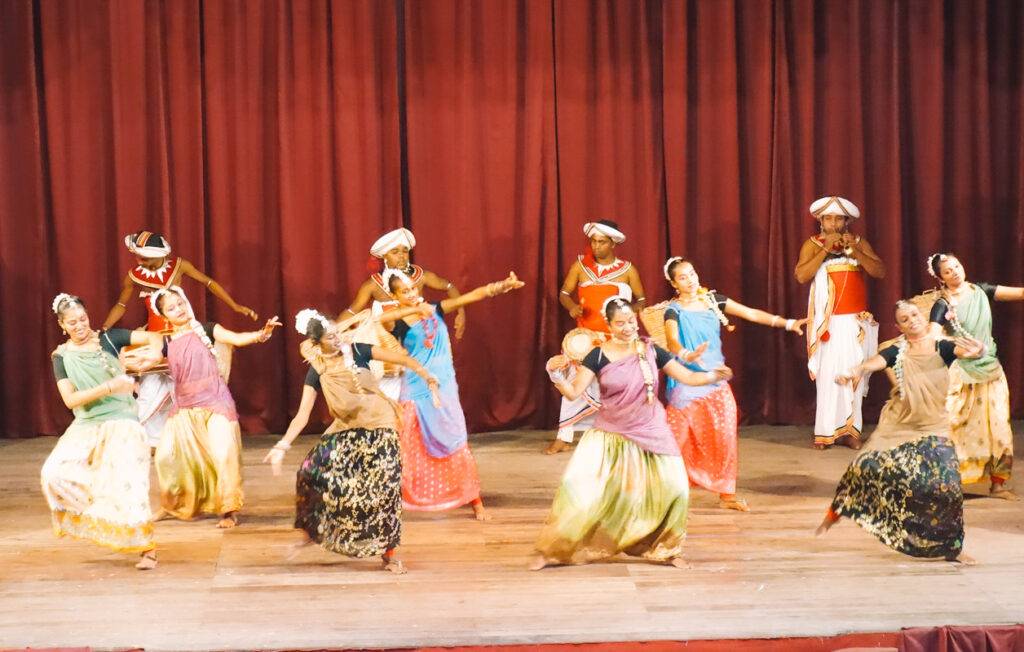
This was my favorite thing to do in Kandy, and I say that having visited 30+ countries and seen a lot of “cultural shows” that feel like tourist traps. The Kandyan dance show is different. The costumes are genuinely spectacular, layers of silver, brass, and bold colors, and each dance tells a story with a ritual purpose. There are fire dancers, acrobats, and plate spinners, and by the end, the whole crowd is wide-eyed regardless of how cynical you walked in.
I went to the show at the Kandyan Art Association and Cultural Centre, near the Tooth Temple. It’s one of the most established venues and they also sell local handicrafts. They provide cards explaining each of the 11 stages of the performance. The Kandy Lake Club Cultural Show is another solid option.
Shows typically run around 5–6 PM; book your seat in advance to get a good spot.
Cost: ~Rs 2,000
4. Walk Around Kandy Lake
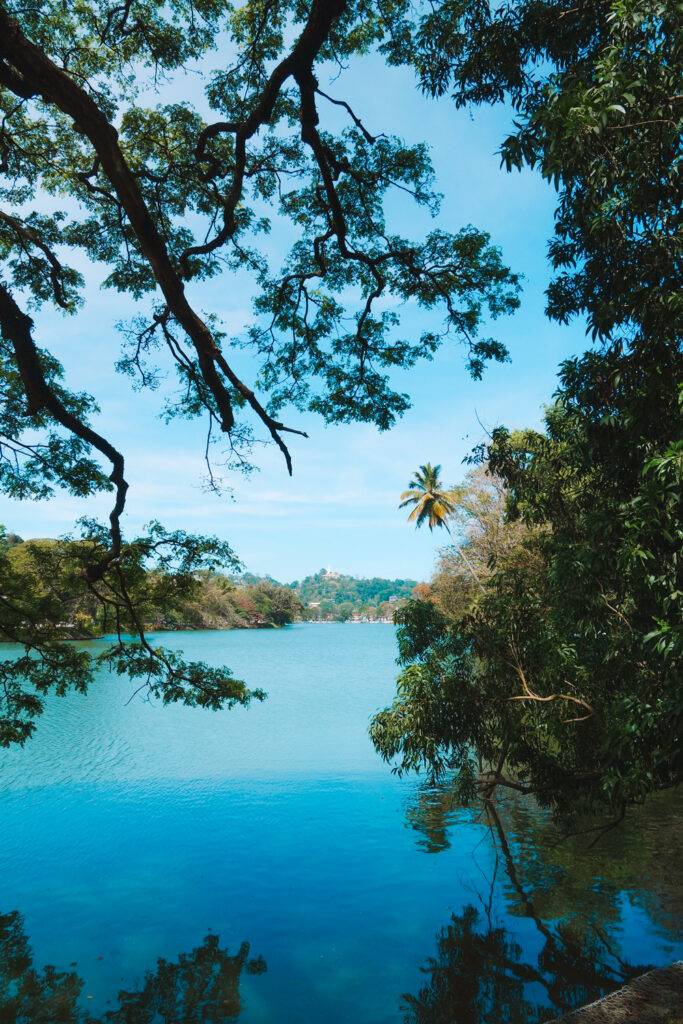
Kandy Lake sits right in the center of the city, next to the Tooth Temple, and looping around it takes about an hour on foot. It’s a pleasant stroll. The famous “Cloud Wall” runs along one side, the Queen’s bathing pavilion juts into the water, and water monitors, ducks, and fish splash around on the other bank.
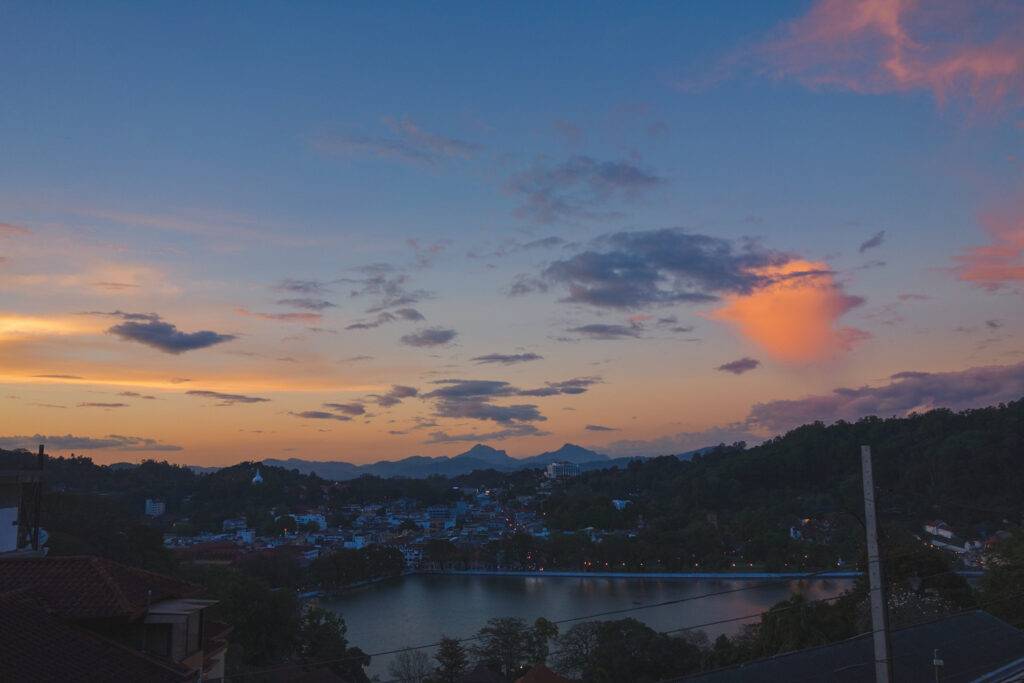
Is it the most thrilling thing in Kandy? No. But it’s free, it’s pretty, and the elevated streets above the lake offer some of the best sunset views in the city. Head uphill from the lake’s southern edge and you’ll find plenty of restaurants with terraces overlooking the water. Perfect timing for golden hour.
5. Climb to Bahirawakanda Buddha Statue
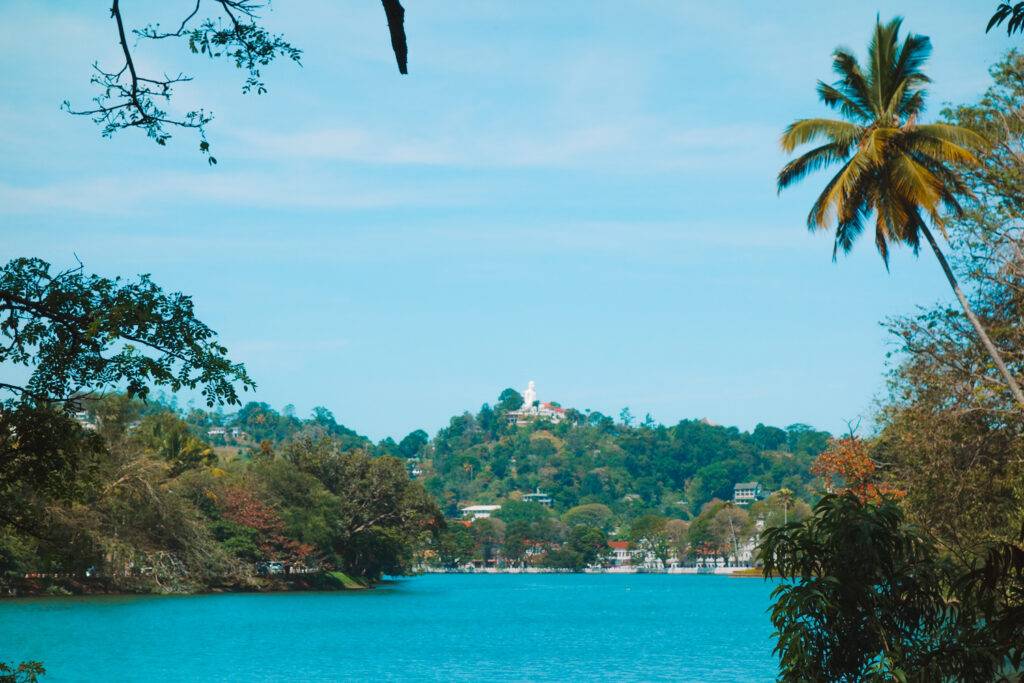
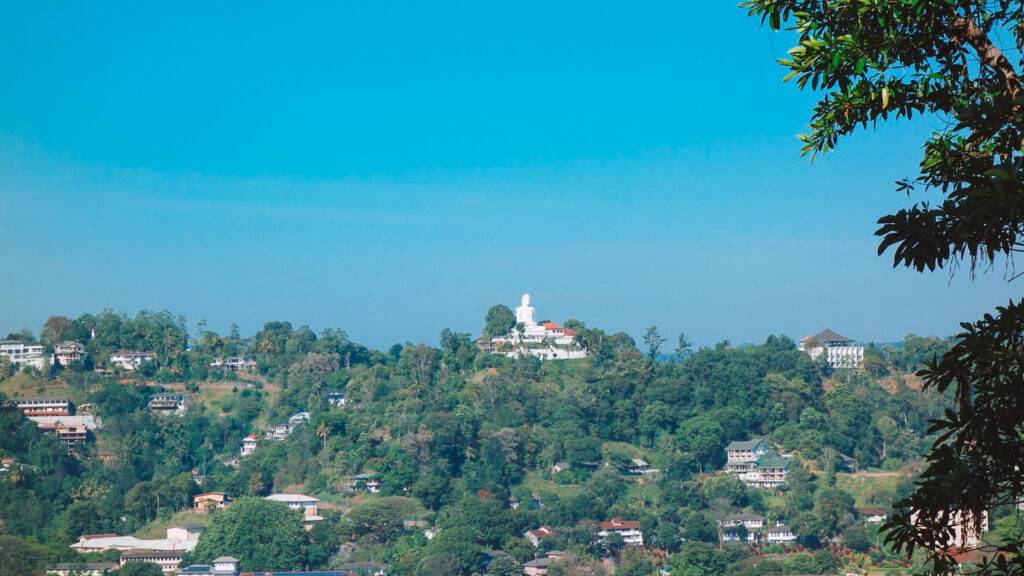
That massive white Buddha you can see from basically everywhere in Kandy? That’s Bahirawakanda Vihara, an 88-foot-tall statue built in the 1970s on top of a hill overlooking the city. Getting there involves a steep walk (sweaty but doable in 20 minutes) or a short tuk-tuk ride.
The entrance fee gets you panoramic views over Kandy and the surrounding hills, a small temple filled with statues and offerings, and — if you want more — an additional set of stairs behind the statue for an even higher vantage point.
Remove your shoes and cover up before entering; there’s a little booth by the entrance where someone will watch your footwear for a small tip.
Entrance: Rs 600
6. Trek Through Udawattakele Forest Reserve
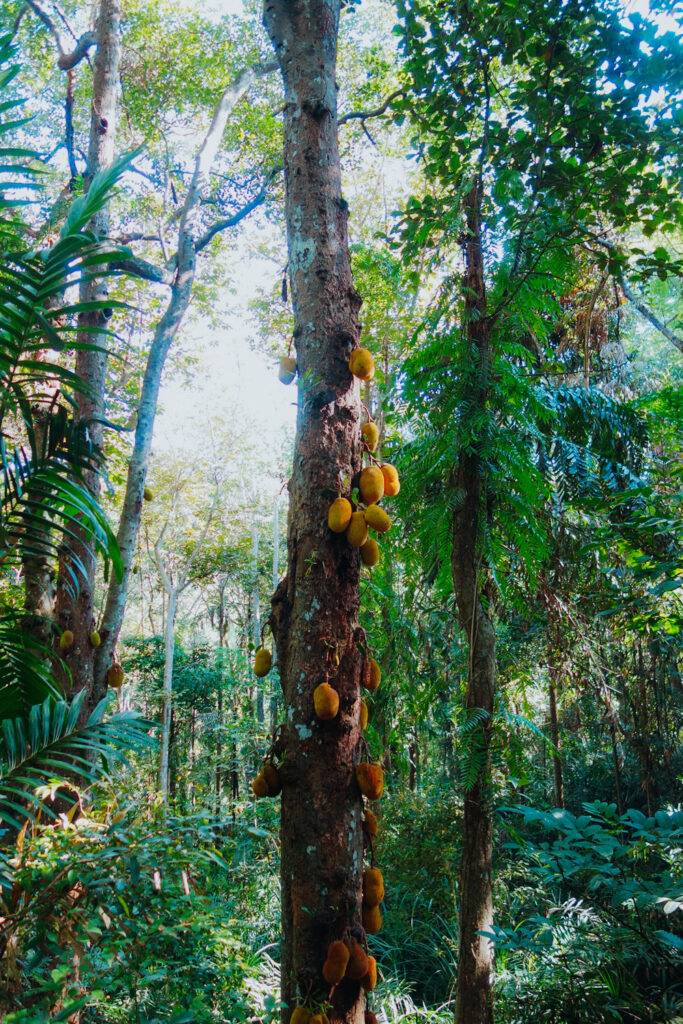
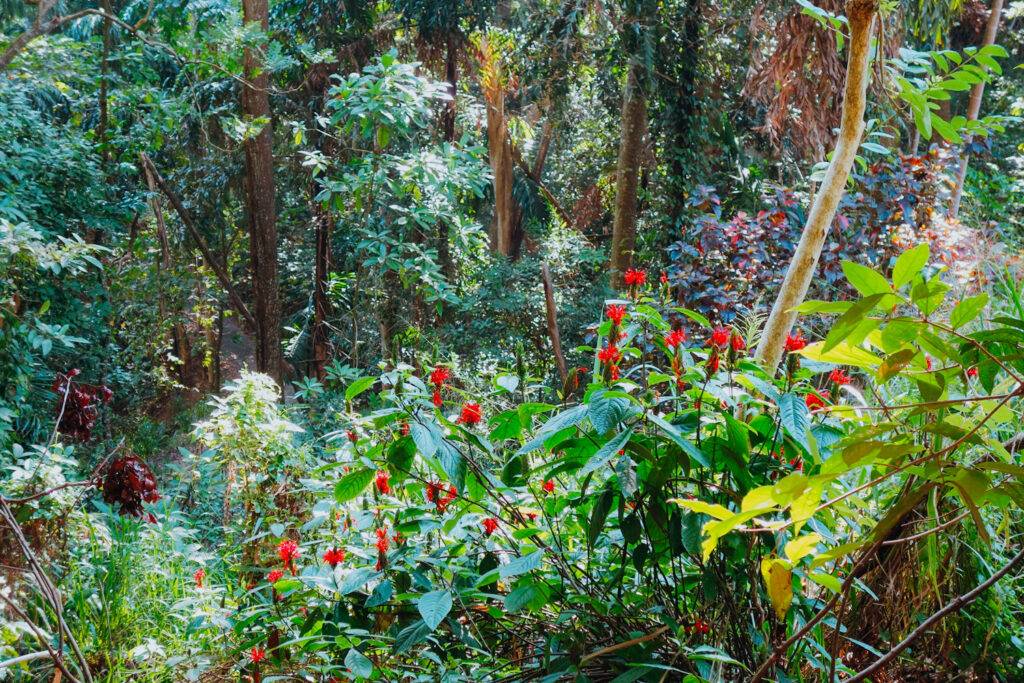
Five minutes from the Tooth Temple and you’re in a forest. Udawattakele is a former royal reserve that now functions as a sanctuary right in the heart of the city, and it’s a genuinely refreshing escape from Kandy’s traffic and chaos.
The main circular trail takes you past a city viewpoint, an ancient bathing pond, Buddhist meditation caves, and more macaque monkeys than you’d believe exist. The caves, particularly Cittavisuddhi Lena, have Buddhist paintings and sculptures outside, with offerings left by pilgrims. The inner paths to some of the secondary caves can be heavily overgrown.
Important tip: wear long socks and apply strong DEET before you go in, especially after rain. Leeches are real here, abundant, and enthusiastic. They don’t hurt, but they bleed for a while. Don’t say I didn’t warn you.
Hours: Daily 7 AM – 6 PM | Entrance: Rs 930
7. Find the Asgiri Maha Vihara Stupa (Hidden Gem)
This one is genuinely off most tourists’ radar and it blew me away. The Asgiri Maha Vihara is a large ornate stupa visible from parts of the city, just across the train tracks, up a steep staircase. Most visitors admire it from a distance and move on. But if you walk up and ring the bell, a military guard will usher you inside.
The base contains a compact museum on Buddhist literature and scripture. The middle floor has a meditation room with striking iconography: murals depicting stages of life and bodily decay, which sounds grim but is actually a profound Buddhist teaching on impermanence.
And then the dome. When the lights click on, the ceiling above you is a full Sistine Chapel–level artwork: the life of the Buddha painted in extraordinary detail, a swirling mandala at the zenith, and an enormous wooden lotus flower carved on the floor below. There’s no entrance fee. The guard didn’t ask for a donation. It’s just… there.
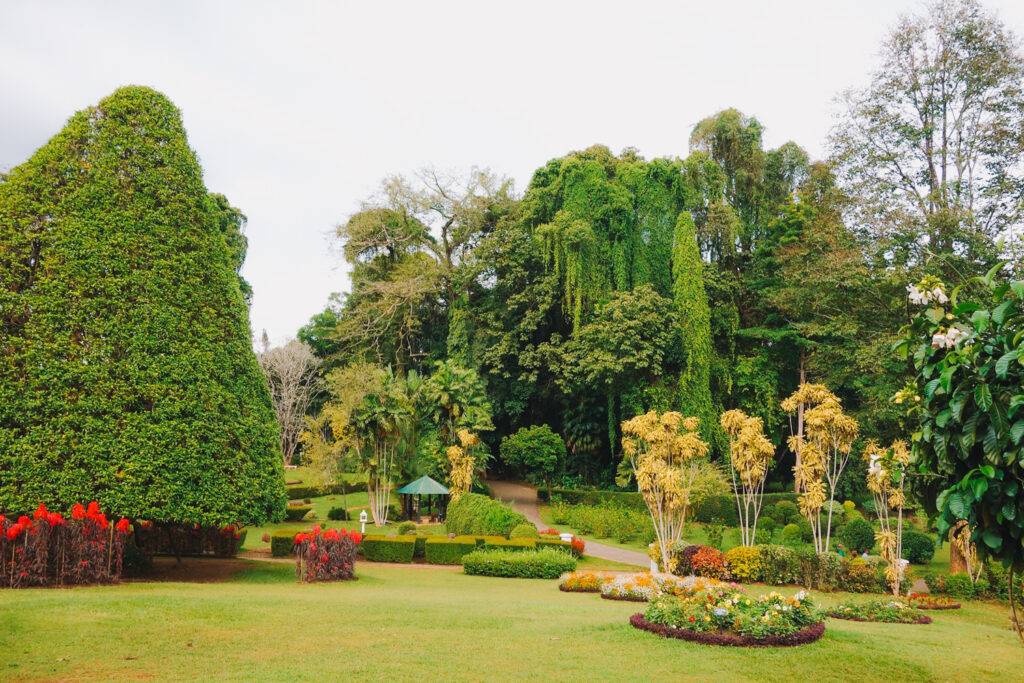
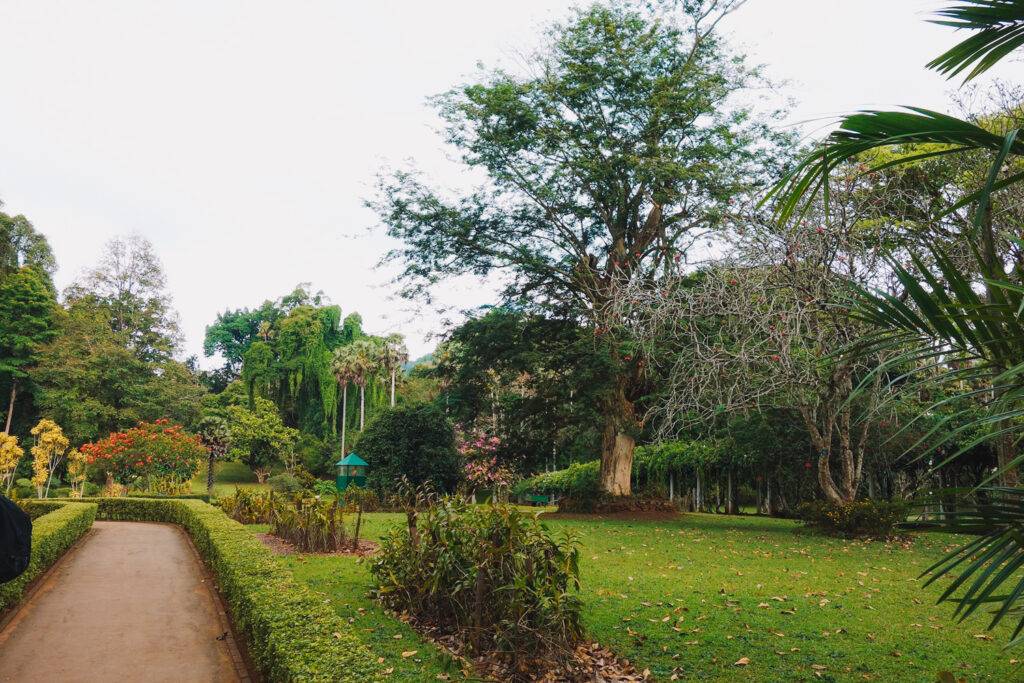
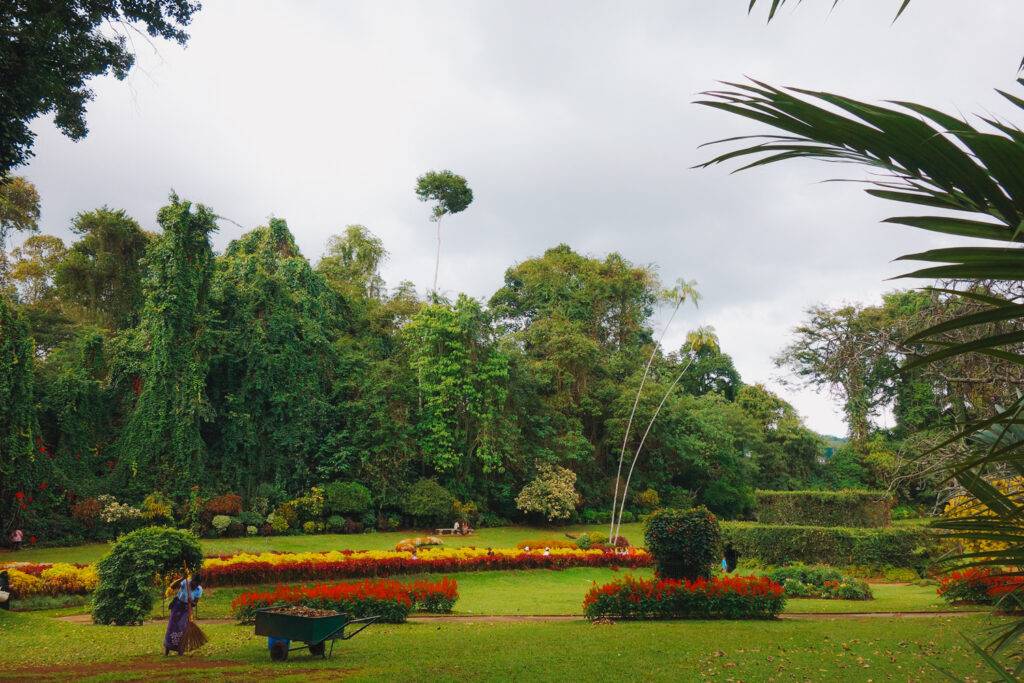
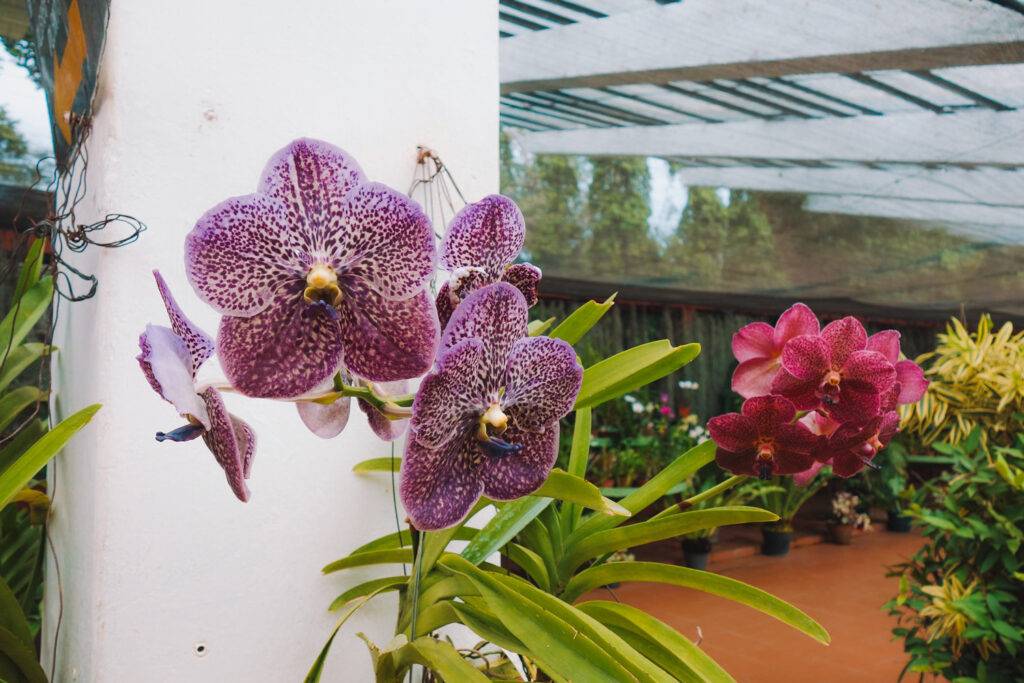
8. Explore the Peradeniya Royal Botanical Gardens
The Peradeniya Royal Botanical Gardens are the largest in Sri Lanka — 147 acres of immaculately kept tropical gardens, home to over 4,000 plant species. This is not a quick stop. Go early morning (before 9 AM) or after 4 PM to avoid both the midday heat and the tour bus crowds.
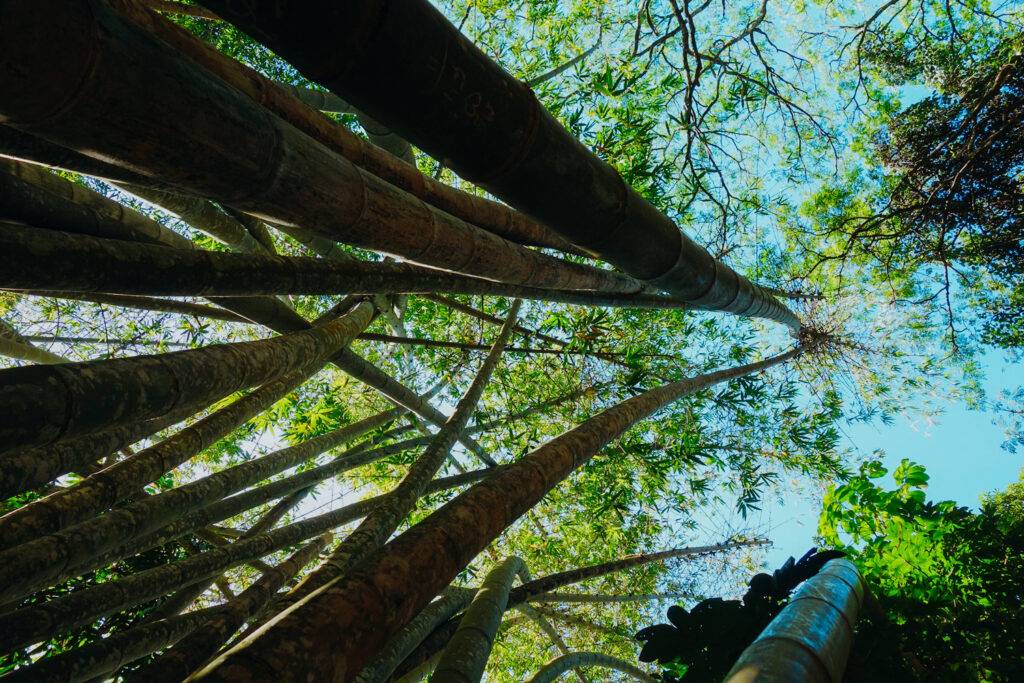
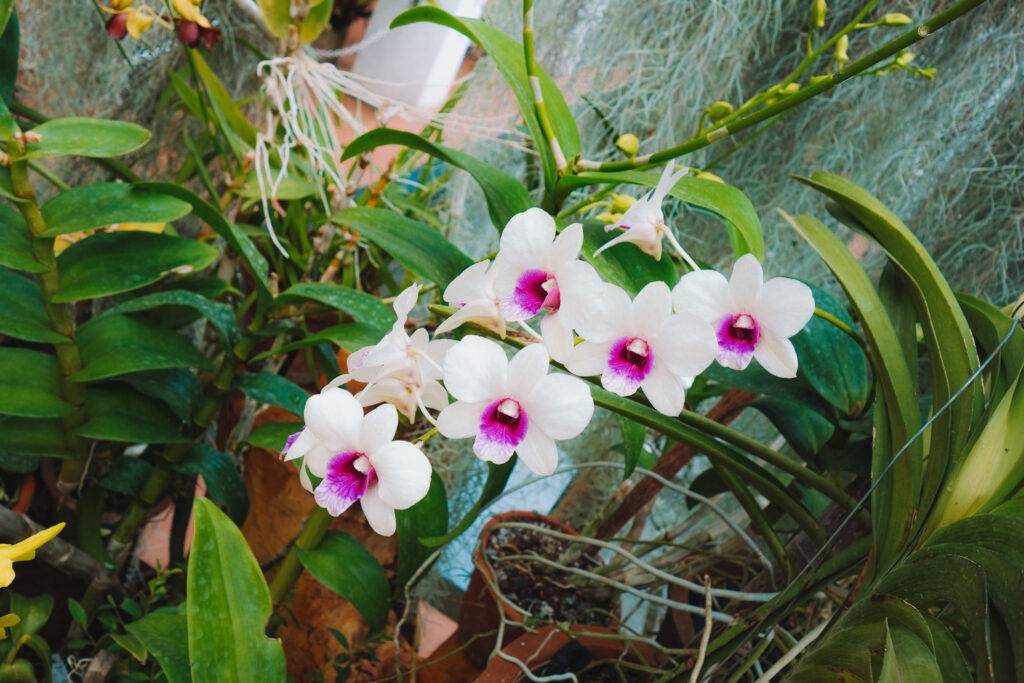
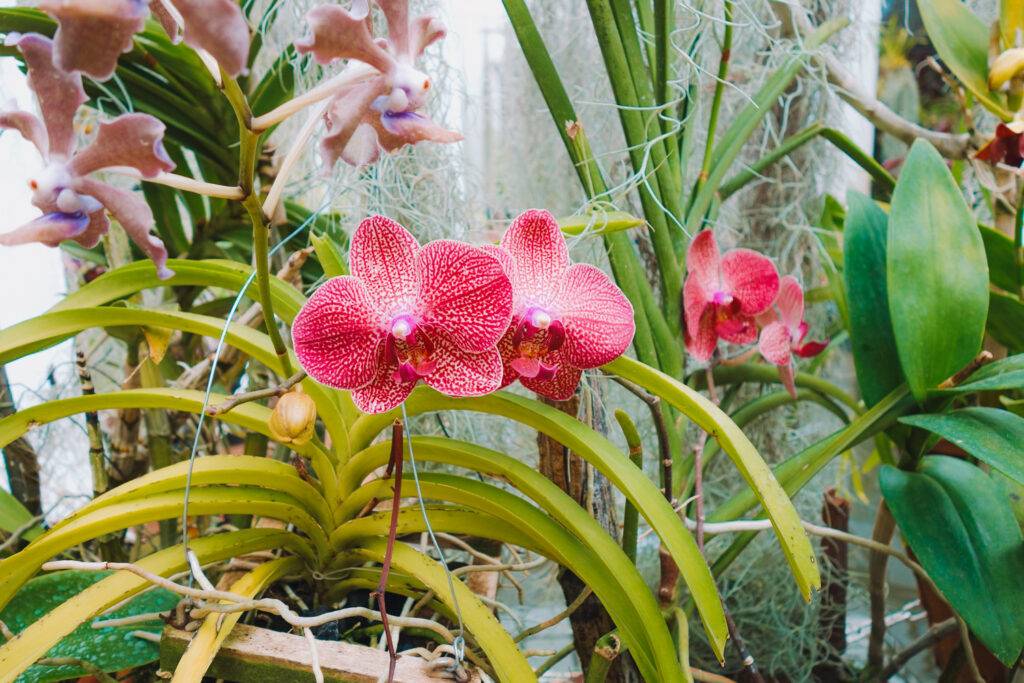
The highlights: an orchid house that is genuinely jaw-dropping, a towering bamboo grove that has no right to be that tall, a palm tree avenue perfectly symmetrical enough to make your camera work for you, and a suspension bridge over the Mahaweli River where bats hang in the trees like strange black fruit.
I spotted monkeys, birds, chipmunks, and a snake on my visit.
The gardens are about 5 km outside the city center — a 15-minute tuk-tuk ride. A café inside the gardens sells snacks and ice cream if you need a mid-stroll break.
Hours: Daily 7:30 AM – 6 PM | Entrance: Rs 3,000 (credit cards accepted)
9. Take a Cooking Class
Sri Lankan food is one of the most underrated cuisines on the planet, and taking a cooking class in Kandy is the best way to actually understand why.
Most classes are hosted by local families or small community kitchens, where you’ll learn to make fragrant curries, crispy hoppers (those rice-flour bowl-pancakes served with egg or curry), and coconut sambol from scratch.
You go home with recipes, stories, and a genuine connection to how people actually eat here, not just the version of Sri Lankan food served to tourists. Ask your guesthouse to recommend a class; the best ones don’t have big websites.
10. Visit the Ceylon Tea Museum
If you’re heading into tea country (and you should be), a stop at the Ceylon Tea Museum is worth the 15-minute tuk-tuk ride from the city center.
It’s housed in the former Hantane Tea Factory, a sprawling colonial-era building that closed in 1986, and the ground floor is packed with original British-made tea-processing machinery from the 19th century. The guided tour walks you through the production process, the history of James Taylor (the Scotsman who brought tea cultivation to Sri Lanka), and Thomas Lipton’s role in turning Ceylon tea into a global commodity.
A free cup of tea is included; you can upgrade to premium single-origin varieties. Note: your tuk-tuk driver may try to redirect you to a friend’s tea garden instead. Stick to your plan.
Entrance: Rs 1,000
Things to Do Around Kandy
The best way to cover the surroundings is to rent a scooter for the day or hire a tuk-tuk driver for a fixed daily rate — most of the key sights are clustered in the same area southwest of the city. One full day is enough to see the temples, a tea factory, and a spice garden.
1. The Three Temples Walk (Lankatilaka, Gadaladeniya, Embekka)
These three 14th-century temples are located about 30 minutes outside Kandy, relatively close to each other, and collectively they’re far more interesting than any single temple inside the city. Entrance to each is around Rs 300, considerably cheaper than the Tooth Temple, and with a fraction of the crowds.
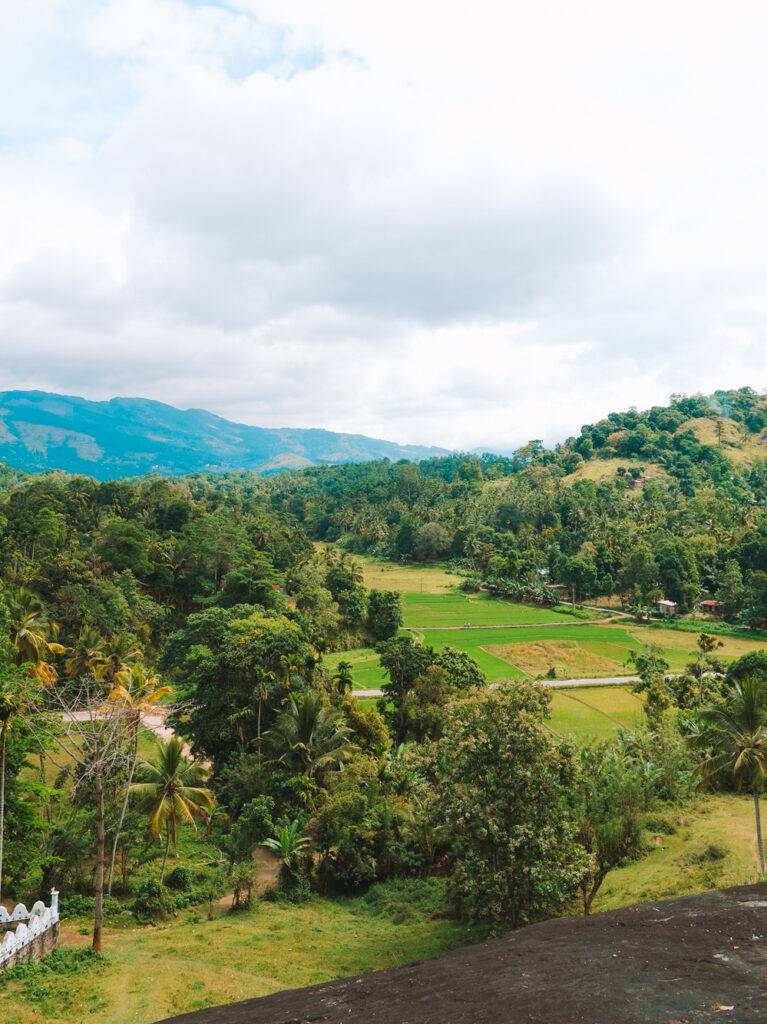
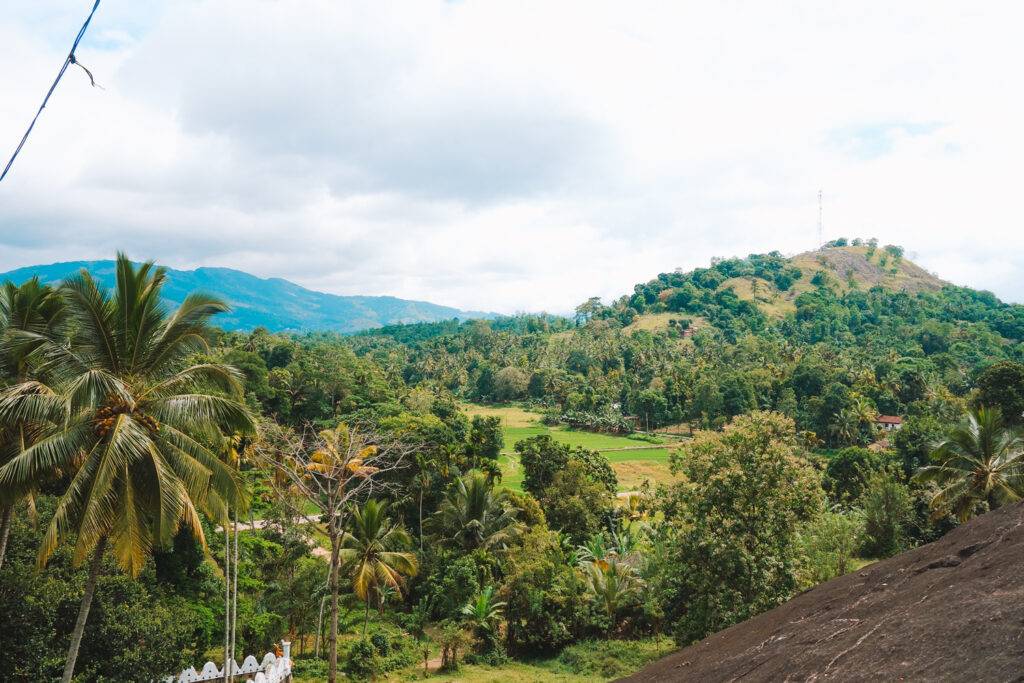
Lankatilaka Temple sits on a hilltop rock and houses both a Buddhist shrine and a Hindu temple under the same roof, operated by different parties. The views from the hill are sweeping, and there’s a wood-carving workshop at the base worth a browse if you’re shopping for souvenirs.
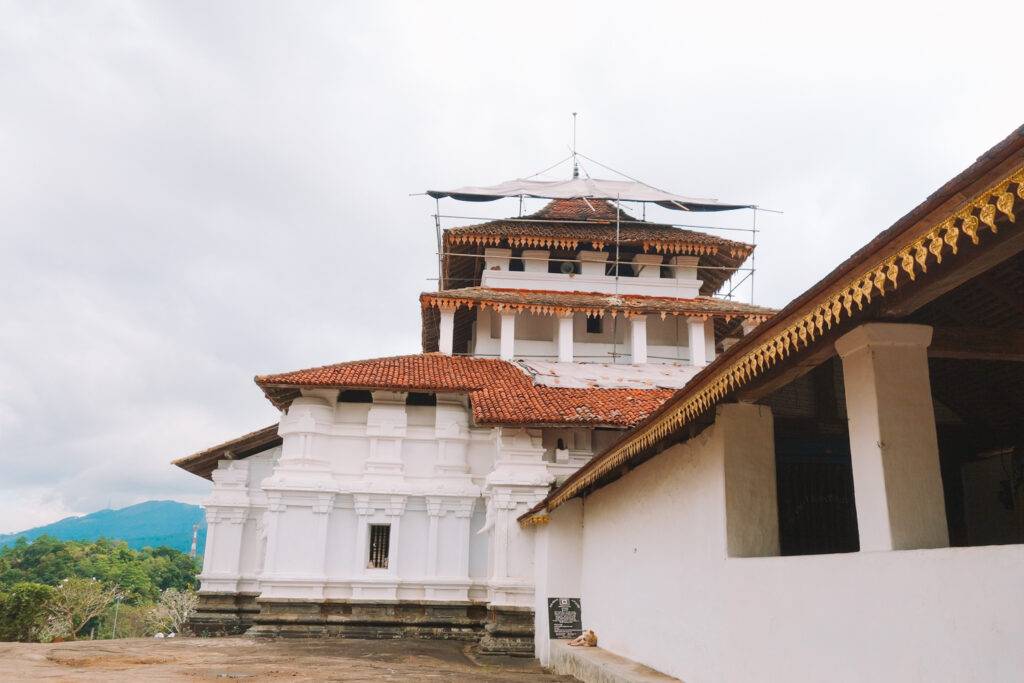
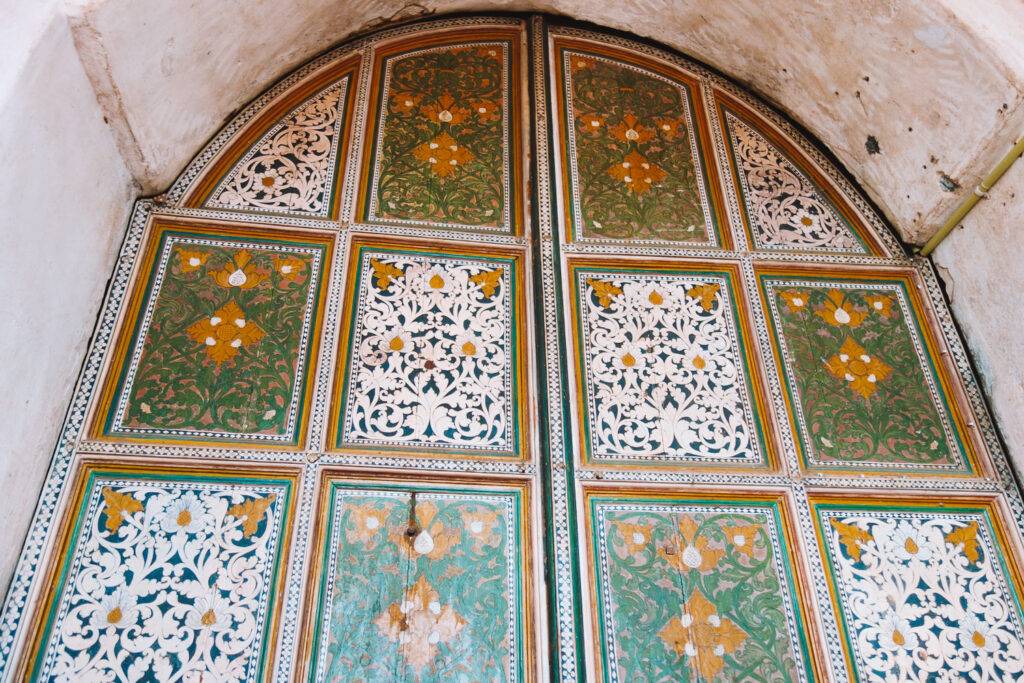
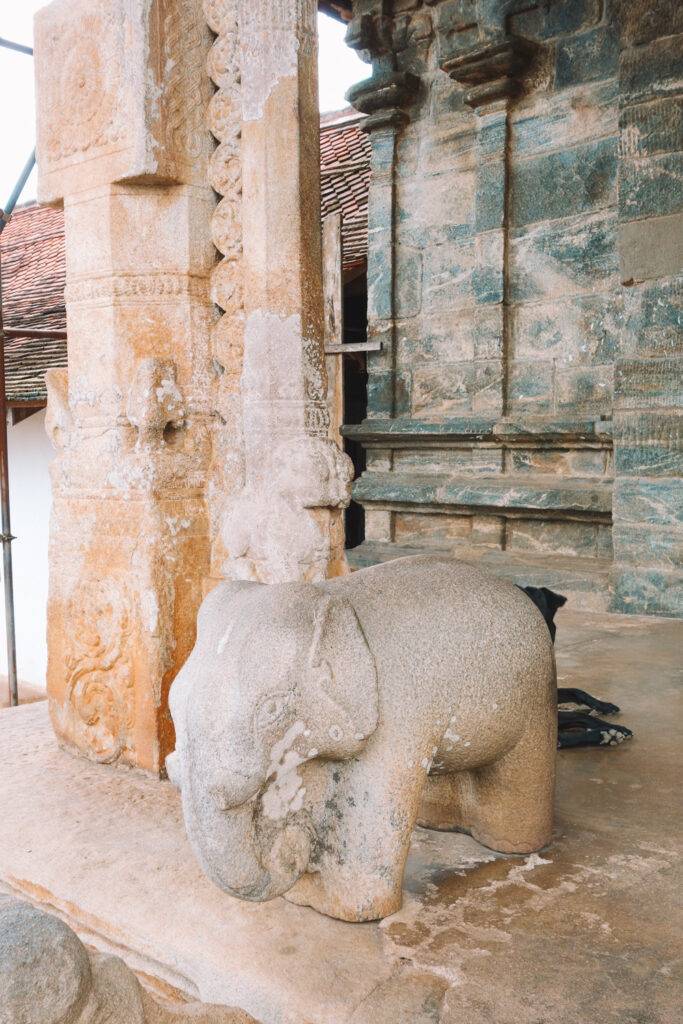
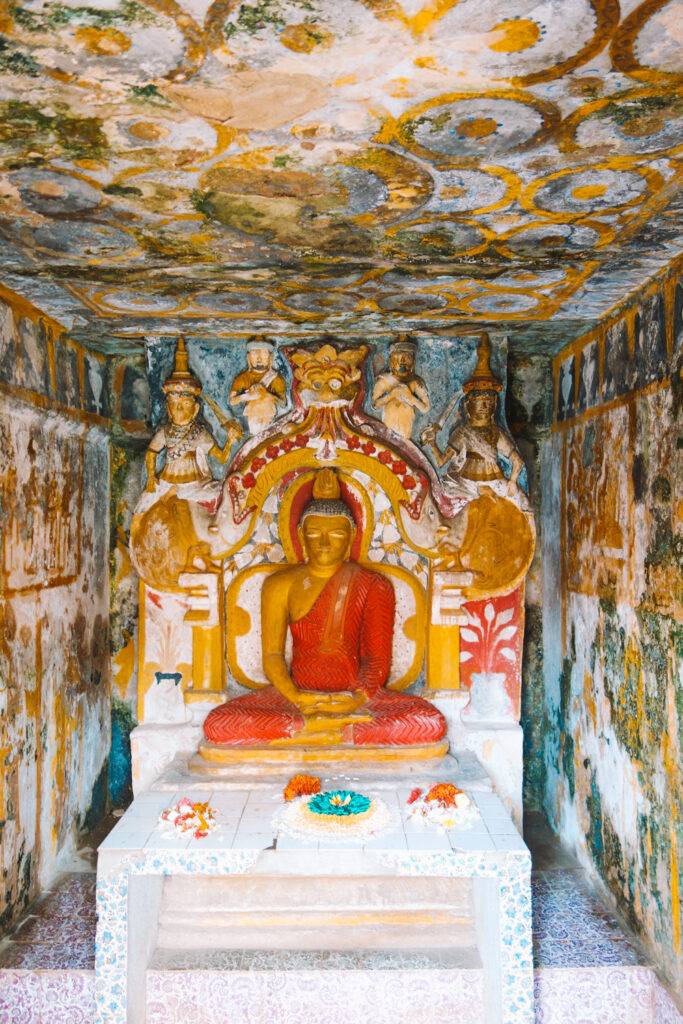
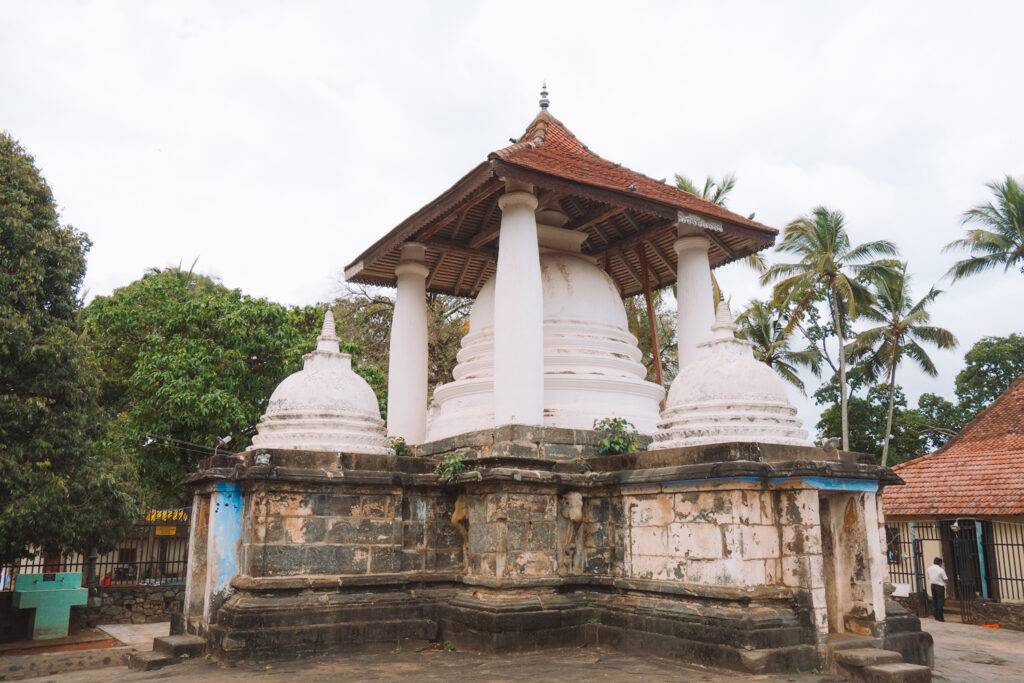
Gadaladeniya Temple is one of the biggest rock temples in Sri Lanka, built in 1344 with a distinctive South Indian (Dravidian) architectural style fused with Sinhalese elements from the Polonnaruwa era. It’s quieter than it deserves to be.
Embekka Devalaya is the most unique of the three — the entire structure is built of wood, with extraordinary carved pillars in the Drummers’ Hall featuring patterns unlike anything else in Sri Lanka. The woodcarving tradition here has UNESCO Heritage status. Don’t miss it.
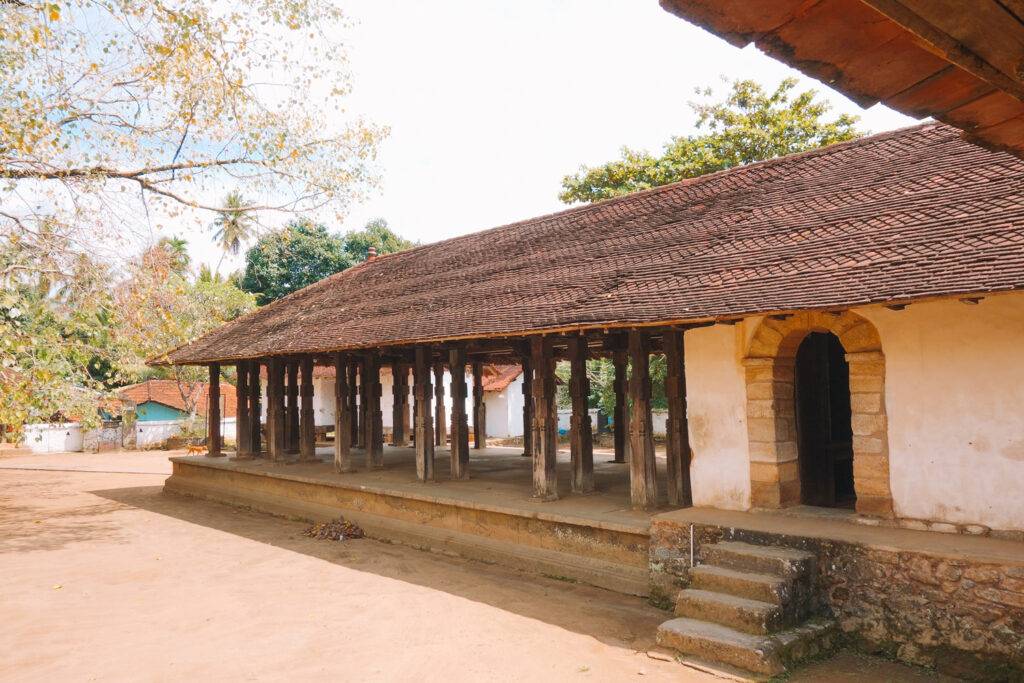
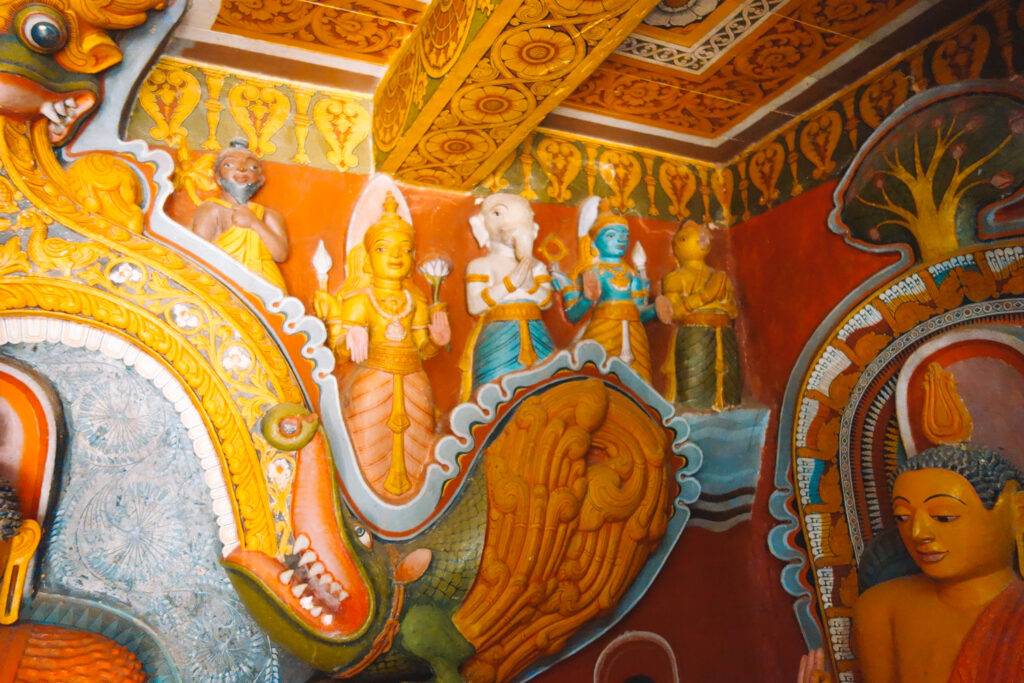
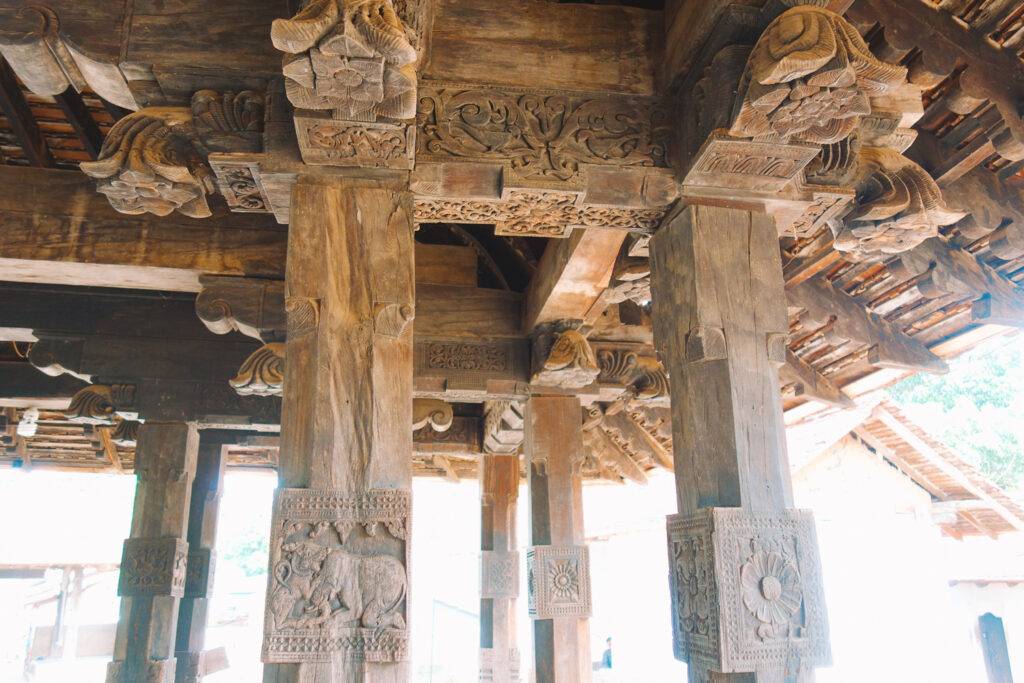
Cost: Rs 300 per temple | Best reached by tuk-tuk hired for the half-day
2. Tea Factories
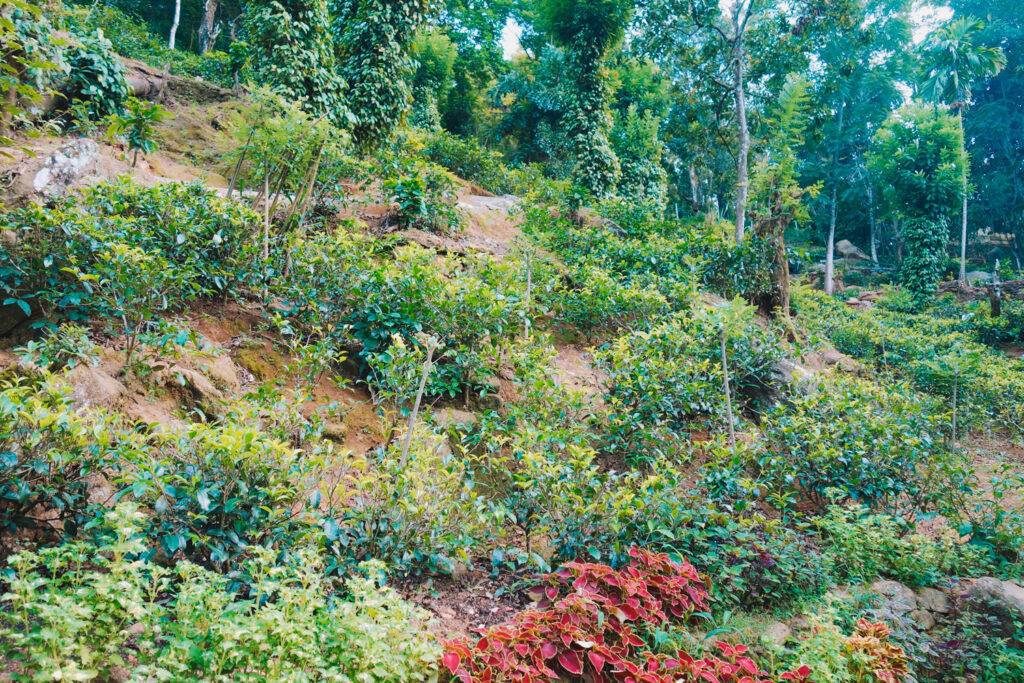
The hills around Kandy are blanketed in tea plantations, and dozens of factories offer free tours. I was genuinely surprised by two things: the machinery in most of these places dates back to the early 20th century and still runs, and black tea and green tea come from exactly the same plant — only the processing differs.
If you’re going to buy tea, skip the overpriced factory shops and head to a supermarket or the local market instead. Same quality, a fraction of the price.
3. Spice Gardens
Spice gardens are everywhere around Kandy and every tuk-tuk driver will try to take you to one. The tours are usually free and genuinely informative. You’ll learn to identify cinnamon, cardamom, turmeric, and vanilla growing in the same patch of earth, which is pretty cool.
What’s less cool: the hard sell on overpriced cosmetics and spices at the end. Everything in those shops can be found much cheaper at a local market. The Ayurvedic massage they offer is usually included “for free” but comes with significant social pressure to buy. Go in knowing that, and you’ll enjoy it.
4. Hike in the Knuckles Mountain Range
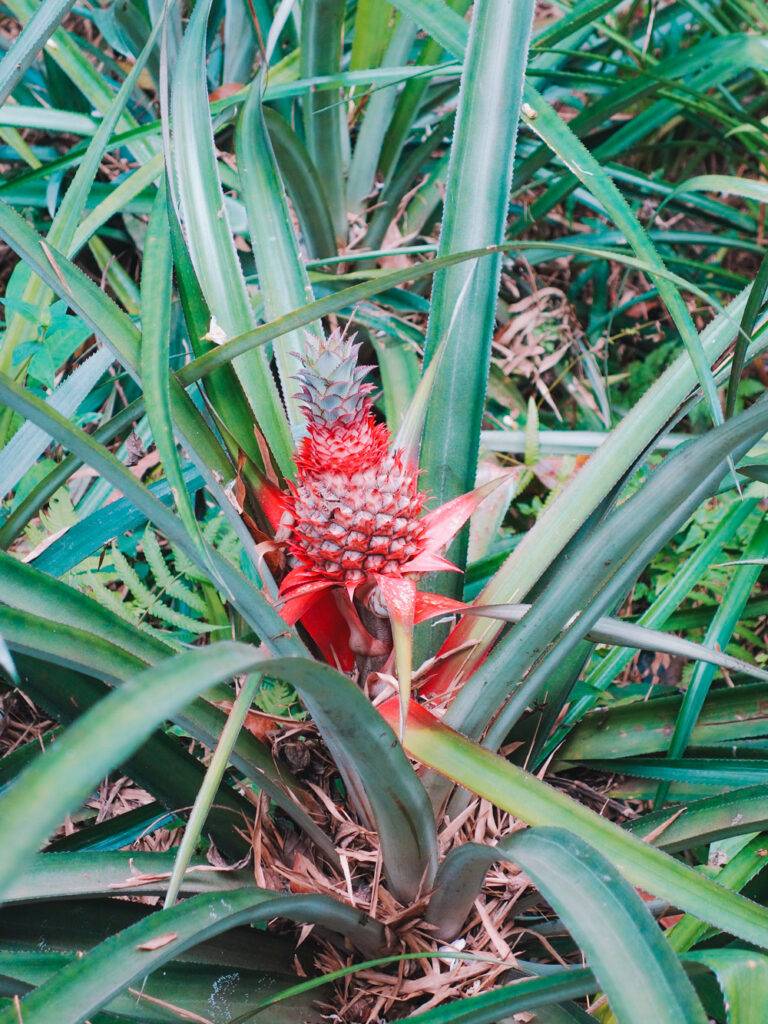
Most travelers don’t realize Kandy is the perfect base for exploring the Knuckles Mountain Range, named by British colonists for how the peaks resemble a clenched fist when viewed from below. Locally it’s called Dumbara Kanduvetiya: Misty Mountain Range.
Don’t attempt this without a guide. Unlike national parks in developed countries, there are no clear signs, no marked trails, and no one around for miles. A good guide will pick you up from your hotel early, customize the hike length (a one-day loop is excellent; multi-day camping treks are also possible), find breakfast in a local village, and get you back safely. Ask your accommodation to connect you with a trusted local guide.
Budget around Rs 8,500–10,000 for a full day.
5. Ambuluwawa Tower Day Trip
About 90 minutes from Kandy, just outside Gampola, Ambuluwawa is a biodiversity complex built on a mountain peak over 3,000 feet above sea level. The centerpiece is a spiraling white tower shaped like a Buddhist stupa, and you can climb it.
The staircase gets progressively narrower as you go up until you’re shuffling sideways with the wind trying to rearrange your face. Not for the faint-hearted, absolutely worth it for the views. A small entrance fee covers both site access and (optionally) driving up vs. walking. Since Gampola sits between Kandy and Nuwara Eliya, it makes an ideal stop if you’re heading that direction anyway.
Cost: Rs 300 (+ Rs 100 if driving to the top)
6. (Don’t) Visit Elephant Orphanages
I’m going to be straight with you: skip the elephant orphanages around Kandy. I visited the Millennium Elephant Foundation and left feeling depressed, not delighted.
The elephants are chained for most of the day; one spent his entire day standing in water so tourists could bathe him on repeat. They offer elephant rides. The handlers likely care about the animals as much as they can within a broken system, but “as much as they can” isn’t enough.
If you want to see elephants in Sri Lanka — and you should — go to Kaudulla National Park, where elephants roam free and you watch from a safe distance. That’s the experience that’ll actually stay with you.
7. Day Trip to Sigiriya
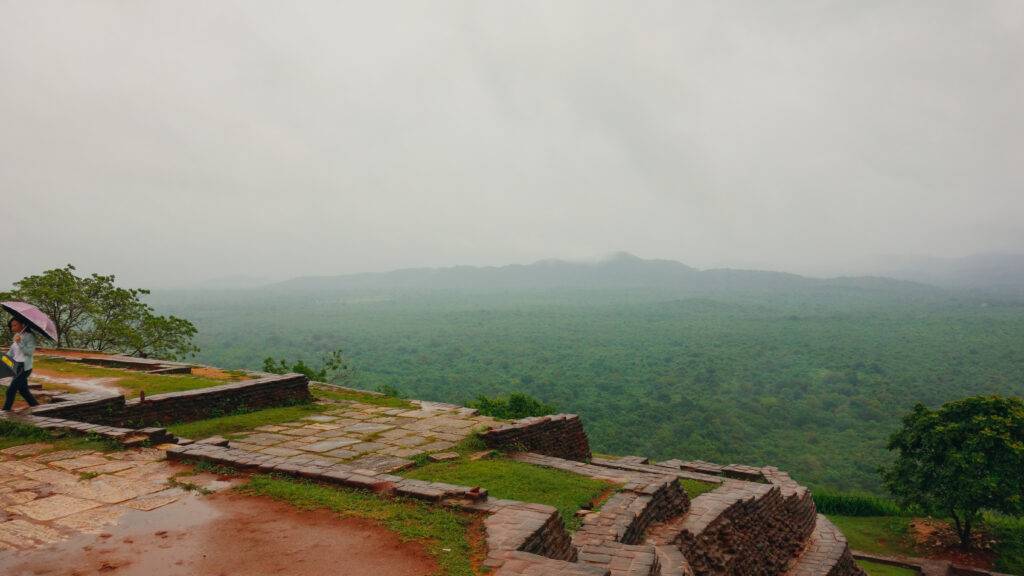
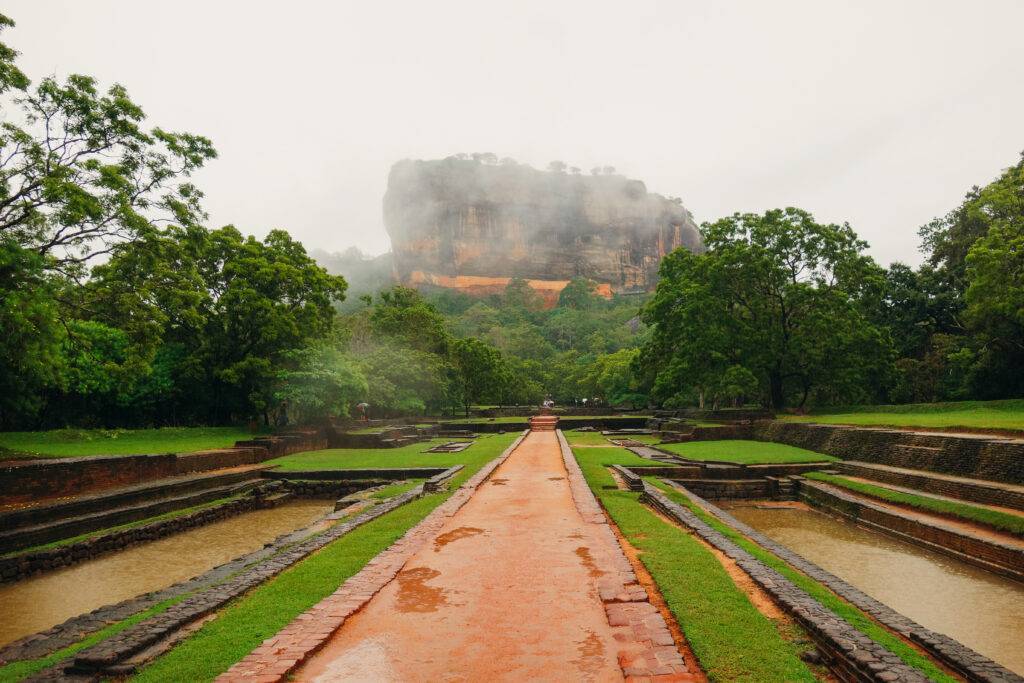
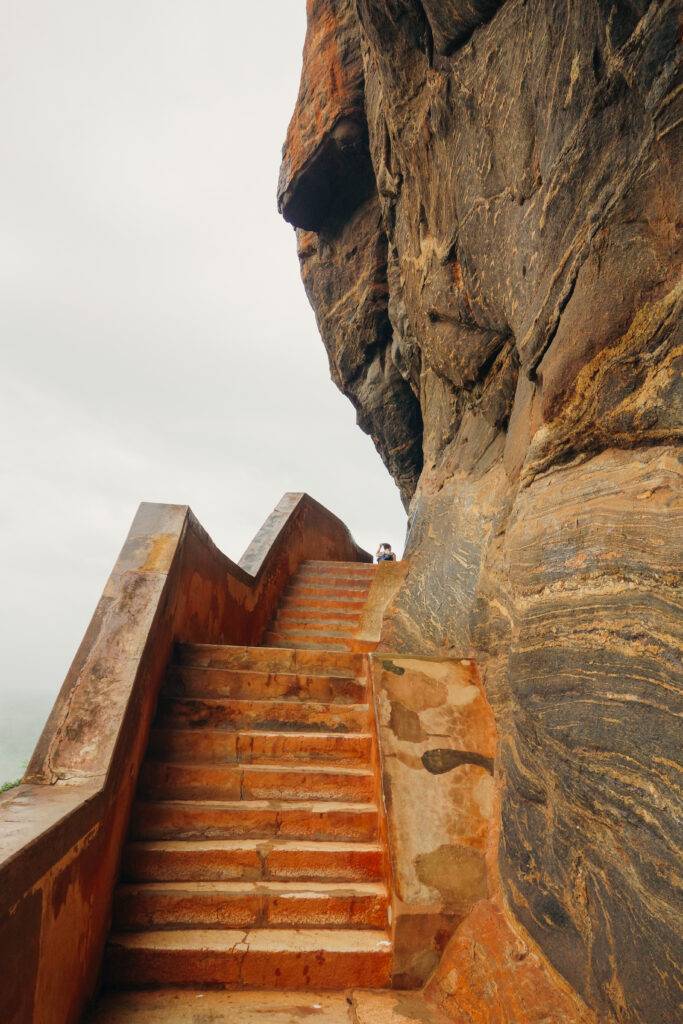
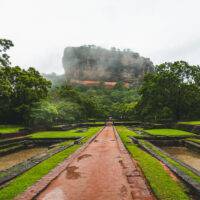
Kandy is one of the best bases for a day trip to Sigiriya, Sri Lanka’s ancient rock fortress that rises vertically from the surrounding jungle like something out of a fantasy novel. The climb takes a couple of hours and passes ancient frescoes, water gardens, and massive carved stone lion paws marking the final ascent. The views from the top are genuinely staggering.
Book a private driver for the day or join an organized tour from Kandy.
8. Take the Kandy to Ella Train
One of the most iconic rail journeys in the world departs from Kandy station. The Kandy to Ella train winds through rolling tea estates, misty highland valleys, and dense jungle for 6–7 hours, and the section between Nanu Oya and Ella is the one everyone photographs: emerald hillsides, waterfalls, narrow viaducts.
Book reserved seats (2nd class is ideal) through the Sri Lanka Railways website exactly 30 days in advance — they sell out fast.12Go can also help if the official site gives you grief. If you can’t get a reserved seat, unreserved carriages are available on the day. You may stand for hours, but the scenery makes you forget.
Must-read: Everything to do in Ella
Kandy Itinerary
Day 1 (City): Start at the Tooth Temple for the morning pooja (arrive before 9:30 AM), then explore the World Buddhist Museum. After lunch, walk the lake loop, then cut up the hill to the Bahirawakanda Buddha statue for the views. Evening: traditional dance show at the Cultural Centre.
Day 2 (Surroundings): Hire a tuk-tuk for the day. Hit the three temples (Lankatilaka, Gadaladeniya, Embekka) in the morning, a tea factory after, a spice garden if you’re curious, and the Ceylon Tea Museum if you skipped it yesterday. Wrap up at Peradeniya Botanical Gardens in the late afternoon when crowds thin.
Day 3 (Nature or Train): Trek in Udawattakele Forest Reserve in the morning (go early to beat the heat and the leeches), then head to your next destination — ideally by train if you’re continuing to Ella or Nuwara Eliya. Or use this day for the Knuckles hike if you’ve pre-arranged a guide.
Where to Eat in Kandy
Kandy has a solid food scene beyond the tourist strip. The things you must eat: kottu roti (shredded flatbread stir-fried with vegetables and meat, hacked together on a flat iron with metal blades, you’ll hear it before you see it), hoppers (crispy bowl-shaped rice-flour pancakes), and a proper Sri Lankan rice and curry spread with six or seven little dishes arranged around a mountain of rice.
Balaji Dosai is the local cult favorite: a vegetarian South Indian dosa chain with two Kandy locations. The masala dosa (crispy fermented chickpea pancake stuffed with potato curry) comes with a lentil curry, chickpea curry, and coconut chutney on the side, and the mango lassi is essential. Two people eat for under Rs 1,500. The branch further from the Tooth Temple reportedly has spicier curries — go there.
Siri Ramya is the kind of local spot that has no business being this good. It’s plastic chairs and no air conditioning, packed with locals at lunch, and serves some of the best kottu and rice-and-curry I’ve had in Sri Lanka. Egg kottu and water for two comes to Rs 1,200. Find it by the sound of metal on metal.
Hideout Lounge is the pick for a sit-down dinner with atmosphere. A casual all-day restaurant near the southeast end of the lake with a creative Sri Lankan menu and genuinely good mocktails. The pumpkin curry is excellent.
For coffee, Department of Coffee has a Kandy location. They do proper single-origin Sri Lankan specialty coffee, which is rarer than you’d think on the island. Worth a detour if you need your fix.
And if you want to eat the most authentic meal in the city for almost nothing, duck into any “hole in the wall” rice and curry spot you see full of locals. No signage in English, no TripAdvisor listing, no problem.
Where to Stay in Kandy
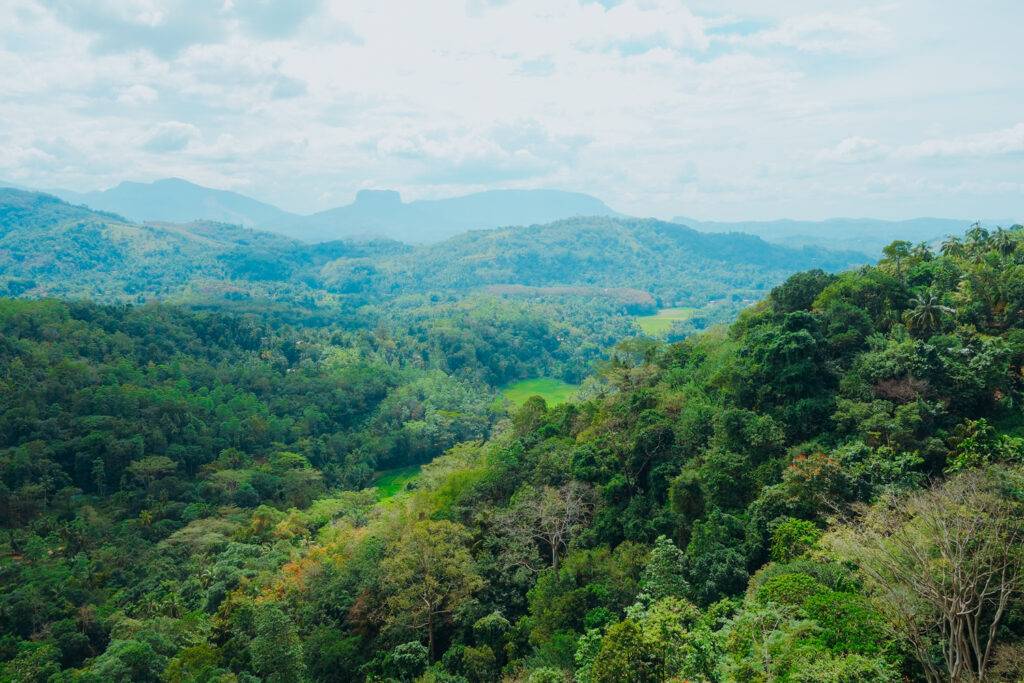
My advice: book something central or on the hills around the lake, where you’ll get views without being too far from everything. The hillside hotels look stunning in photos and are genuinely lovely, but factor in that you’ll be paying for tuk-tuks every time you want to go anywhere.
Budget: City View Hostel – clean, social, well-located, with a kitchen and a genuinely helpful owner. Dorm beds from around $7.
Mid-range: The Beauty Hills Residence – every room has a private balcony with one of the best views in the city. Small, personal, excellent value.
Splurge: The Radh Hotel – central location, outstanding restaurant, some rooms with a private pool and outdoor jacuzzi. Worth every rupee if you’re treating yourself.
Quirky experience: Helga’s Folly – technically a hotel, functionally a museum. Every wall is covered in murals, candles, sculptures, and antiques. The bathrooms are outdated and the dust is real, but spending a night here is genuinely like staying inside a fever dream. One night is the right amount of time.
Getting To and Around Kandy
Getting there: The train from Colombo Fort to Kandy takes about 2.5 hours and is comfortable and scenic. A good warm-up for the famous highland routes. Buses from Colombo are faster but less enjoyable. Private taxis take about 3 hours and cost significantly more, but are useful if you have a lot of luggage or are coming from Sigiriya or Dambulla.
Getting around: Tuk-tuks are everywhere and the most practical way to move through the city and reach nearby sights. Always agree on a price before you get in. Be warned: Kandy is reportedly one of the worst places in Sri Lanka for tuk-tuk drivers pushing detours to gem factories, spice gardens, and their cousin’s tea shop. If a price seems suspiciously low, expect a sales stop en route. Booking through your hotel tends to get you cleaner rides. Uber and PickMe both work in Kandy and offer metered, transparent pricing — use them when you can.
For the city center and around the lake, you can walk almost everywhere.
When to Visit Kandy
Kandy is in the hill country, which means it gets caught by the southwest monsoon from roughly April/May through September. The driest and most reliable weather runs from December to March. That said, the weather is genuinely unpredictable here.
If you want to attend the Esala Perahera festival, it runs for ten nights in August (during the month of Esala in the Sinhalese calendar). Over a hundred elephants in ceremonial dress process through the city with fire dancers, drummers, and whip-crackers while hundreds of thousands of people watch. Accommodation books out months in advance — plan early.
Related posts:
 Dambulla Cave Temple – Entrance fee, opening hours, dress code…
  Kaudulla National Park Safari Guide: Everything You Need to Know
  The Best Things to Do in Galle, Sri Lanka (Complete Travel Guide)
  Best Things to Do in Nuwara Eliya: Sri Lanka’s Little England Travel Guide
  Things to Do in Ella, Sri Lanka: The Complete Travel Guide
  How to Visit Sigiriya Rock Fortress, Sri Lanka: The Complete Guide
  Best places to visit in Sri Lanka
  Top 10 temples in Sri Lanka for your bucket list
  Best things to do in Jaffna – Complete travel guide
